
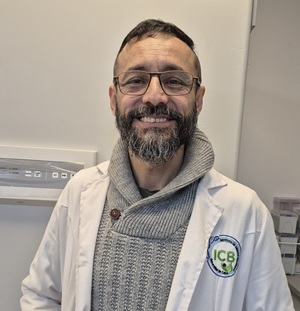
Dr. Ian S. Acuña Rodríguez
Universidad de Talca
Director
ian.acuna@utalca.clEspecialista en interacciones planta–microorganismo–ambiente en ecosistemas extremos. Integra transcriptómica, metagenómica y modelamiento ecológico. Lidera la Línea 3 de PRISMA y coordina el desarrollo de la plataforma Austral Aliens y la articulación con actores nacionales e internacionales.
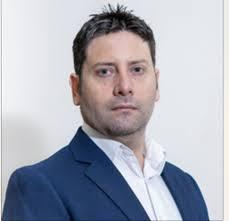
Dr. Marco A. Molina Montenegro
Universidad de Talca
Director Alterno
marco.molina@utalca.clEspecialista en ecofisiología vegetal antártica y biología del cambio global. Lidera la Línea 1, el componente experimental de PRISMA, diseñando ensayos en cámaras de crecimiento para evaluar el desempeño y las interacciones competitivas de plantas exóticas bajo condiciones antárticas simuladas.

Dra. Leidy García Pérez
Universidad de Talca
Investigadora Principal
lgarcia@utalca.clEconomista ambiental con trayectoria en evaluación de políticas, valoración de servicios ecosistémicos y gobernanza institucional. Lidera la línea 2, el componente socioecológico de PRISMA, incluyendo el desarrollo de las encuestas de percepción de riesgo, análisis costo-efectividad y estrategia de comunicación científica.
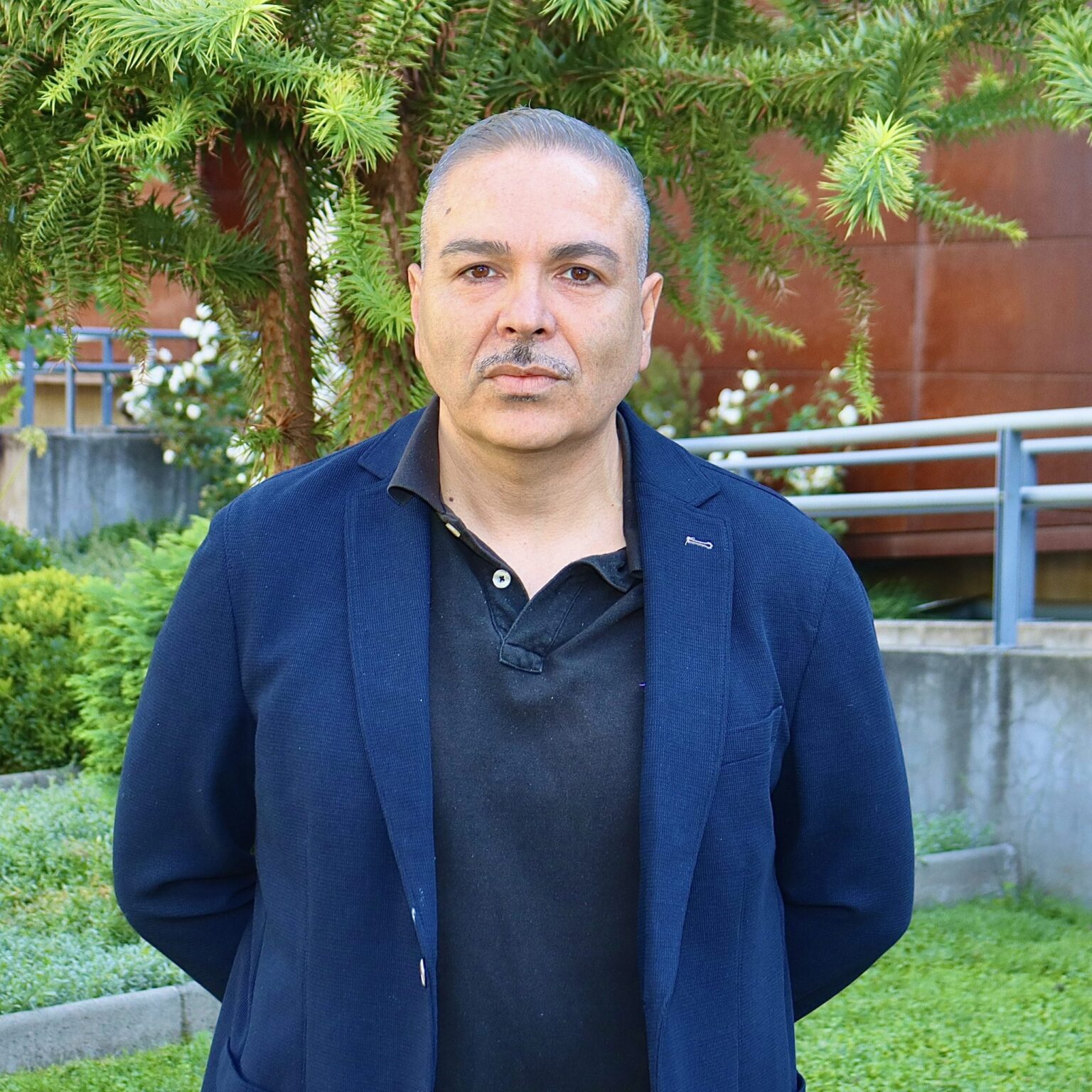
Dr. Cristian Torres Díaz
Universidad del Bío-Bío
Investigadora Principal
email@ubiobio.clEspecialista en ecología molecular y genética de poblaciones. Co-lidera el OE3, responsable de la caracterización genética de especies invasoras candidatas y genotipos de Poa annua mediante RAD-seq y análisis de variabilidad genética asociada al potencial invasor.
Dr. Gabriel Ballesteros Teuber
Universidad de Talca
Investigador Adjunto
gballesteros@utalca.clBioinformático con experiencia en perfilado de microbioma de semillas, transcriptómica fúngica y adaptación climática en ambientes polares. Lidera los análisis ómicos del proyecto e integración de datos moleculares en los modelos de riesgo.
Stella Moisan Rodríguez MSc
Universidad Católica del Maule
Investigadora Adjunta
email@ucm.clEconomista con trayectoria en sistemas de innovación regional, diseño de políticas públicas y cooperación interinstitucional. Actúa como enlace del proyecto con actores societales, facilita el relacionamiento con operadores turísticos, instituciones científicas y organismos gubernamentales.
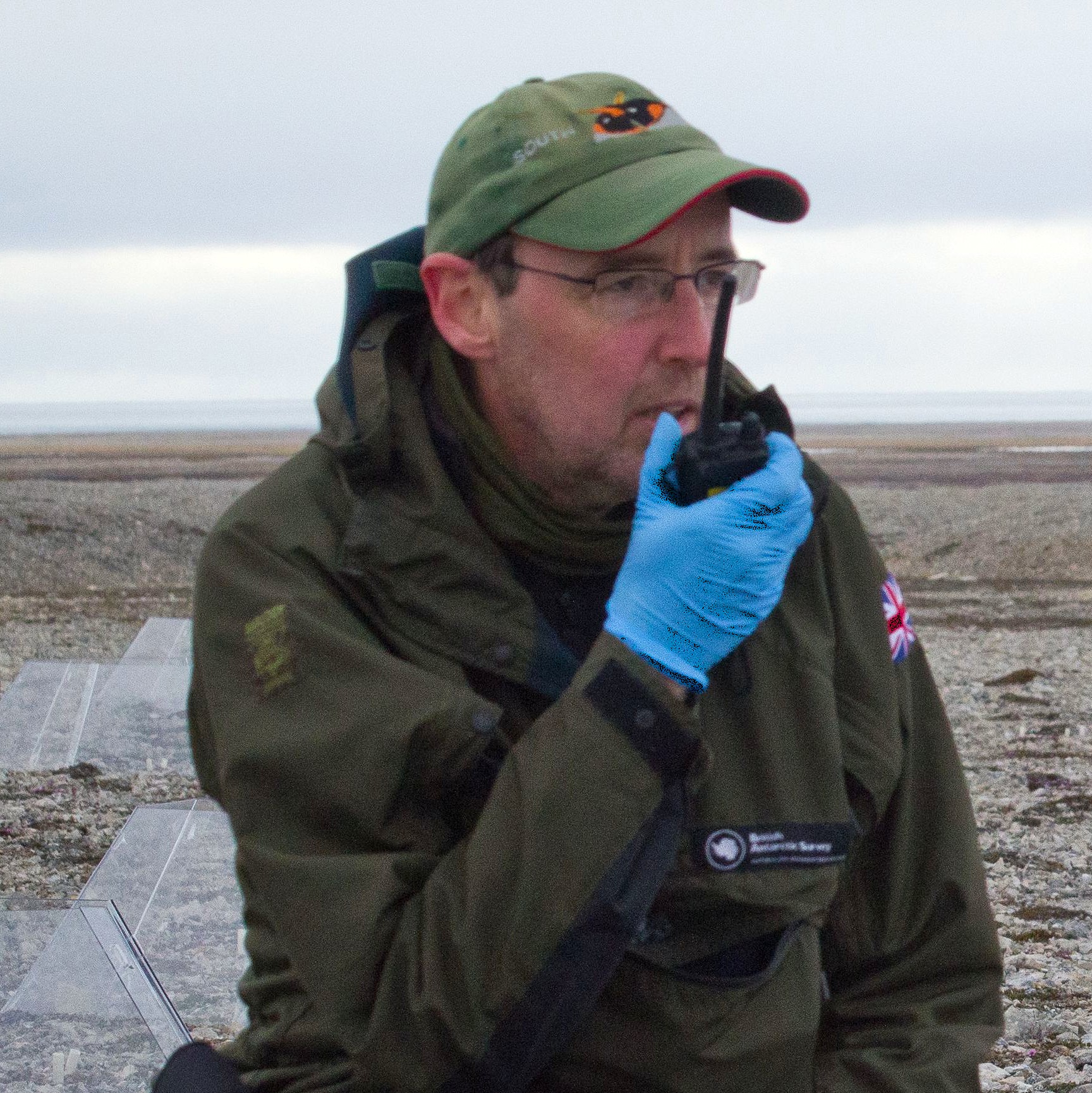
Kevin Newsham
British Antarctic Survey, UK
Natural Environment Research Council (NERC)
Kevin Newsham has made significant advances in the study of mycology in polar regions, including the recognition that Antarctic soil fungal diversity will alter under climate warming (Nature Climate Change 6). His 2011 meta-analysis of plant responses to dark septate endophytes was in the top 10 most cited New Phytologist articles in 2012, and ranked 220th out of 95,409 articles published in the field of plant sciences in 2010–2014 (Web of Science). In 2014, his article on interactions between arbuscular mycorrhizas and fungal root pathogens (Journal of Ecology 83) was listed in the top 100 most influential articles published by the British Ecological Society since 1914.

Kari Saikkonen
University of Turku, Finland
Department of Biodiversity Sciences
Professor of Subarctic Ecology, he earned a Ph.D. in Biology from the University of Turku in 1994 and subsequently did his postdoc with Professor Stan Faeth at Arizona State University, USA (1995–1997). Before his current position, he has held several distinguished research and academic positions, including Academy Research Fellow at the Academy of Finland, Research Professor of Ecological Plant Production at MTT Agrifood Research Finland, Station Manager of the Kevo Subarctic Research Institute, and Professor at the Natural Resources Institute Finland (Luke). His current research involves three main themes: (1) ecological and evolutionary implications of genetic variation, species richness and functional diversity of plants and their associated microbes and herbivores; (2) developing new solutions to circumvent the heavy use of fertilizers and pesticides in man-made environments; and (3) climate change -driven species’ range shifts and their ecological consequences.
Kevin Hughes
British Antarctic Survey, UK
Natural Environment Research Council (NERC)
Dr. Kevin A. Hughes is the Environmental Research and Monitoring Manager at the British Antarctic Survey (BAS). He is a member of the UK Delegation to the Antarctic Treaty Consultative Meeting (ATCM) and was a former Vice-Chair of the Committee for Environmental Protection (CEP) and Convenor of the Subsidiary Group on Climate Change Response (SGCCR). He is currently co-chair of the Scientific Committee on Antarctic Research (SCAR) Scientific Research Programme ‘Integrated science to inform Antarctic and Southern Ocean Conservation’ (Ant-ICON) research project on human impacts. Within the context of the Antarctic, he has broad science and policy interests including conservation, area protection, non-native species, environmental impact assessment and environmental monitoring. He has visited the polar regions 11 times, including one Antarctic winter.
Katarzyna J. Chwedorzewska
Warsaw University of Life Sciences–SGGW, Poland
Department of Botany and Plant Physiology, Institute of Biology
Professor Katarzyna J. Chwedorzewska is a polar botanist and ecologist whose research examines how Antarctic terrestrial ecosystems respond to climate change and human activity. Her work focuses particularly on population genetics, plant adaptation and biological invasions. She has made important contributions to understanding the establishment and spread of the non-native grass Poa annua in maritime Antarctica, as well as the genetic and ecological variation of native Antarctic plants such as Deschampsia antarctica. Her research combines field ecology, molecular approaches and vegetation mapping to evaluate environmental change and support Antarctic conservation and biosecurity.
Luis R. Pertierra
Museo Nacional de Ciencias Naturales (MNCN), CSIC, España
Departamento de Biogeografía y Cambio Global
Dr. Luis R. Pertierra is a Ramón y Cajal Research Fellow and a biogeographer and community ecologist specializing in polar biodiversity. His research investigates how biodiversity is distributed across space and time and how ecological communities respond to global change, particularly in Antarctic and sub-Antarctic environments. He combines macroecology, spatial modelling and conservation biology to study climate-driven range shifts, biological invasions and human-mediated species redistribution. He has led major syntheses of the current knowledge and research gaps concerning Antarctic terrestrial and freshwater biodiversity and has contributed to the development of continent-wide biodiversity data resources.
Michelle Greve
University of Pretoria, South Africa
Department of Plant and Soil Sciences, Faculty of Natural and Agricultural Sciences
Associate Professor Michelle Greve is an ecologist whose research seeks to explain the patterns and drivers of species distribution and diversity at both local and broad spatial scales. She studies plants, animals and microorganisms in African savannas and grasslands and across the sub-Antarctic islands, where her work has a strong focus on invasion ecology. Her research integrates diversity metrics, functional traits, species-distribution modelling and spatial mapping to examine community assembly and ecological responses to environmental change. Through international Antarctic research collaborations, she contributes to understanding and conserving the biodiversity, ecosystem processes and wilderness values of Antarctica and the Southern Ocean islands.
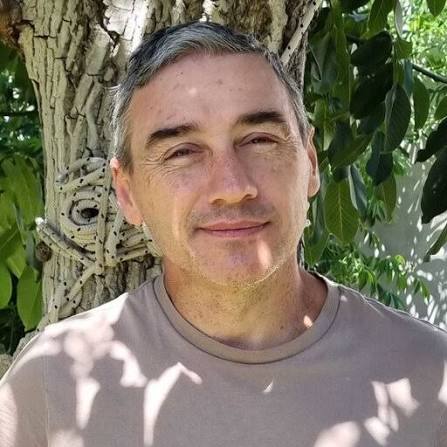
Pedro E. Gundel
Universidad de Buenos Aires, CONICET, Argentina
BIOLAB-Azul
Professor Pedro E. Gundel is an agronomist and ecologist specializing in plant–microbe interactions. He holds a Ph.D. in Agricultural Sciences from the University of Buenos Aires and is currently a Full Professor at the University of Talca and an Independent Researcher at CONICET. His research examines the ecological and evolutionary roles of plant–fungal symbioses, particularly vertically transmitted Epichloë endophytes in grasses. He investigates how transmission efficiency, host genetic variation and microbial symbionts influence plant fitness, immune responses and tolerance to biotic and abiotic stress. His work connects fundamental ecological research with applications in agriculture and the use of beneficial microorganisms under changing environmental conditions.