Project
Interdisciplinary research on the vulnerability of Antarctic ecosystems to the risk of colonization by exotic plants
What is PRISMA?
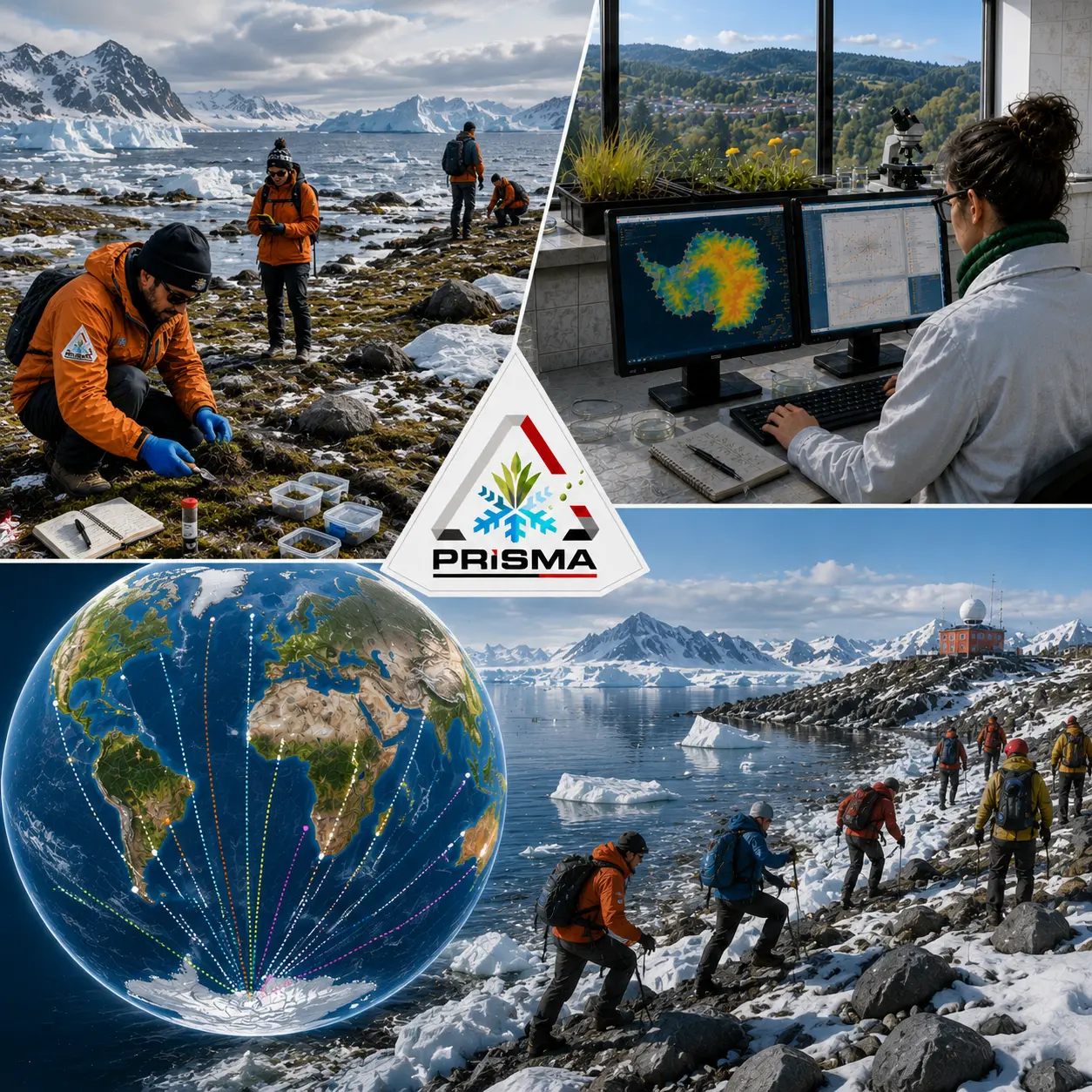
PRISMA (Plant Risk of Invasion in a Changing Antarctica: A Multidisciplinary Approach) is a multidisciplinary scientific project dedicated to the prevention of exotic plant invasions in Antarctica.
Integrate experimental ecology and socio-ecological analysis as a basis for advanced spatial modeling of invasion risk, generating cutting-edge scientific tools, management protocols, and technical recommendations aimed at strengthening governance and protecting the integrity of the Antarctic ecosystem for future generations.
Socio-ecological context
Biological invasions are among the main causes of biodiversity loss globally. Antarctica is a prime example: it is one of the last continental ecosystems relatively free of exotic species, but its biogeographic isolation is diminishing. Accelerated climate change and sustained growth in human activity on the continent are profoundly altering its ecological resilience conditions.
The maritime routes connecting Patagonia, the subantarctic islands, and the Antarctic Peninsula have intensified the dispersal of plant propagules, while glacier retreat has created new ice-free surfaces, increasingly suitable for colonization. In this context, PRISMA proposes a comprehensive assessment of the risk of plant invasion, focusing on species with a high probability of arrival from subantarctic and temperate montane ecosystems of the Southern Hemisphere.
The project is based on the hypothesis that the successful establishment of exotic species depends on the interaction between functional traits, genetic variability, biogeographic origin, and the microbiome associated with the seeds. Its main objective is to generate spatial risk models and technical guidelines that support preventive decisions, management strategies, and early detection protocols in scientific and logistical operations in Antarctica.
Objectives
Evaluate the performance and competitiveness of ten selected species in simulated Antarctic soils under current and future climate scenarios.
Examine how population origin and seed microbiome modulate invasion outcomes, through comparative experiments with multiple global sources.
Generate potential distribution models for the selected species under current and future climate scenarios in Antarctica.
Characterize the spatial patterns of human activity and propagule pressure at entry points and landing sites of the Antarctic Peninsula.

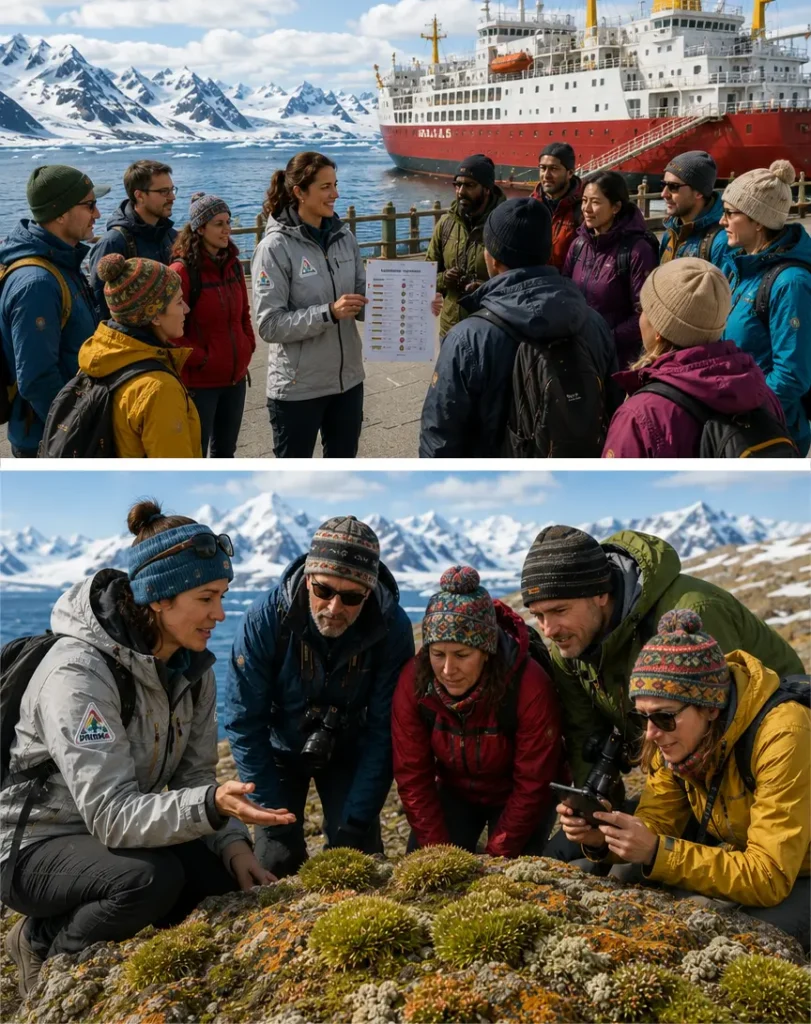
Assess the perception of risk and commitment to plant biosecurity among the various stakeholders operating in Antarctica.
Lines of Research

Line 1
Biological risk and invasive potential
Evaluate the physiological, transcriptomic, and competitive performance of ten exotic vascular species under simulated Antarctic conditions, alongside *Poa annua* as a reference species. Characterize seed microbiomes and molecular adaptation mechanisms, comparing populations from different biogeographic origins to understand what makes a plant capable of invading Antarctica.
Line 2
Human-mediated risk, perception, and governance
Map logistic routes and human activity patterns, analyze institutional biosafety protocols, and gather risk perception data from scientists, tourists, and operators. Integrate these findings with an economic assessment of preventive strategies to propose concrete action frameworks at national and international levels.
Line 3
Integrated Assessment and Predictive Modeling
Integrating Axis of the Project. Combine experimental and socio-ecological data from previous lines with climate niche models to generate high-resolution risk maps in the Antarctic Peninsula and South Shetland Islands, zoning the territory into operational categories for prevention, monitoring, and containment.Expected impact
PRISMA will generate spatial invasion risk maps, biological indicators, and management protocols differentiated by zone (prevention, monitoring, containment), which will be transferred to institutions such as INACH, the Ministries of Environment and Foreign Affairs, and tourism and logistics operators, through workshops, manuals, and technical data sheets.
The results will strengthen Chile's role as a leading actor in the scientific and environmental governance of the white continent, providing evidence to update national biosecurity protocols and contributing to multilateral discussions in the Committee for Environmental Protection (CEP), SCAR, and other Antarctic Treaty System bodies.