A MULTIDISCIPLINARY APPROACH
Risk of plant invasion in Antarctica: science to anticipate, prevent, and educate
The PRISMA project integrates experimental ecology, socio-ecological valuation, and advanced modeling to assess and prevent the arrival of exotic species in one of the planet's most fragile ecosystems.
Part of the “Research Rings in Specific Thematic Areas 2025” projects funded by the National Agency for Research and Development of Chile (ANID)


Plants in Antarctica: Life at the Extreme
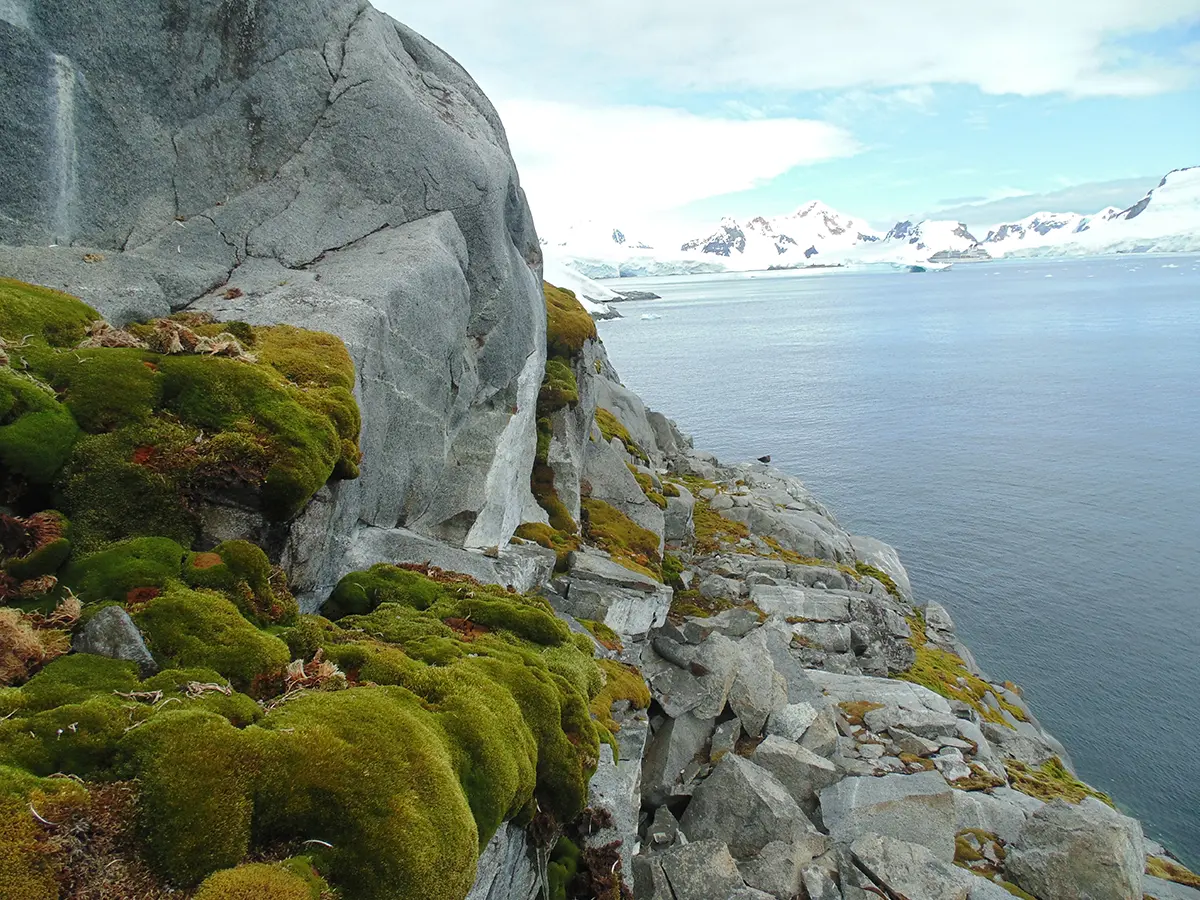
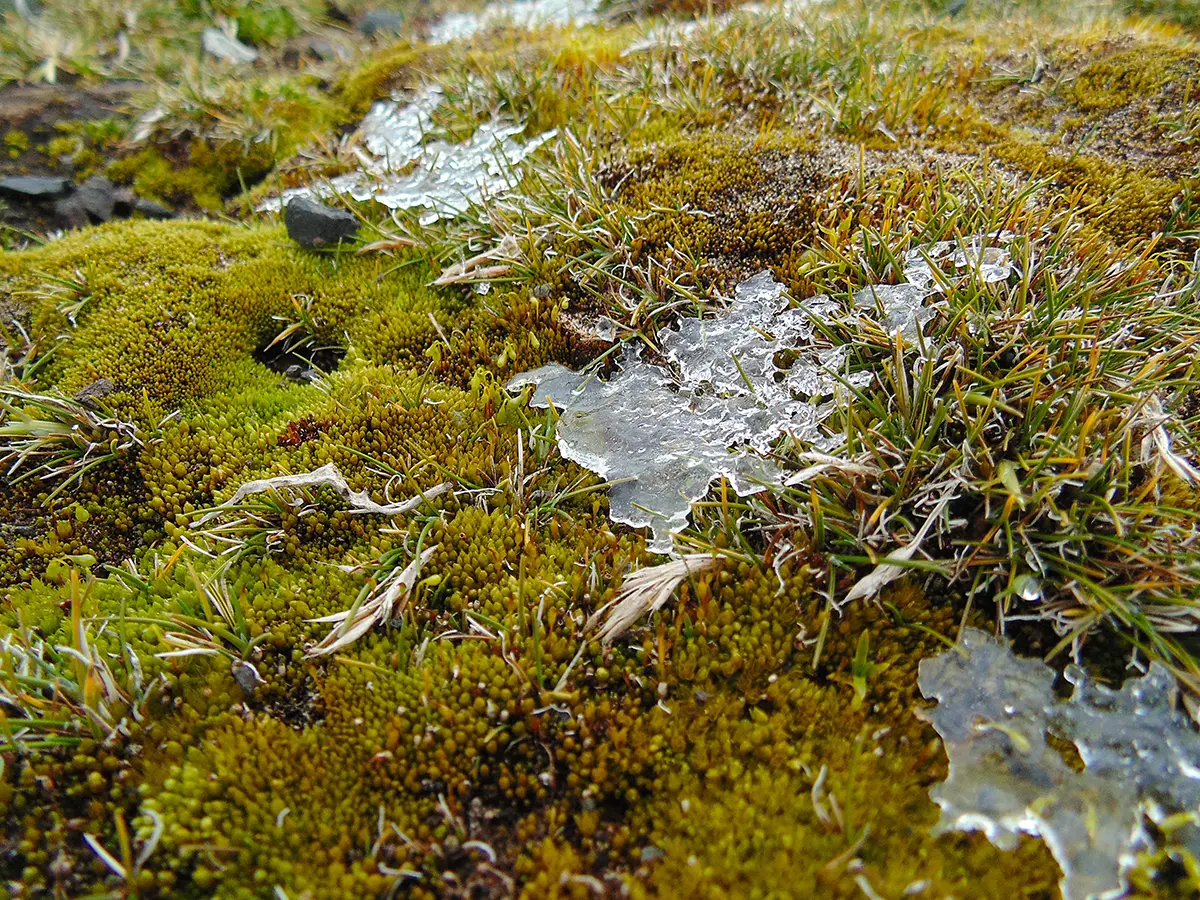
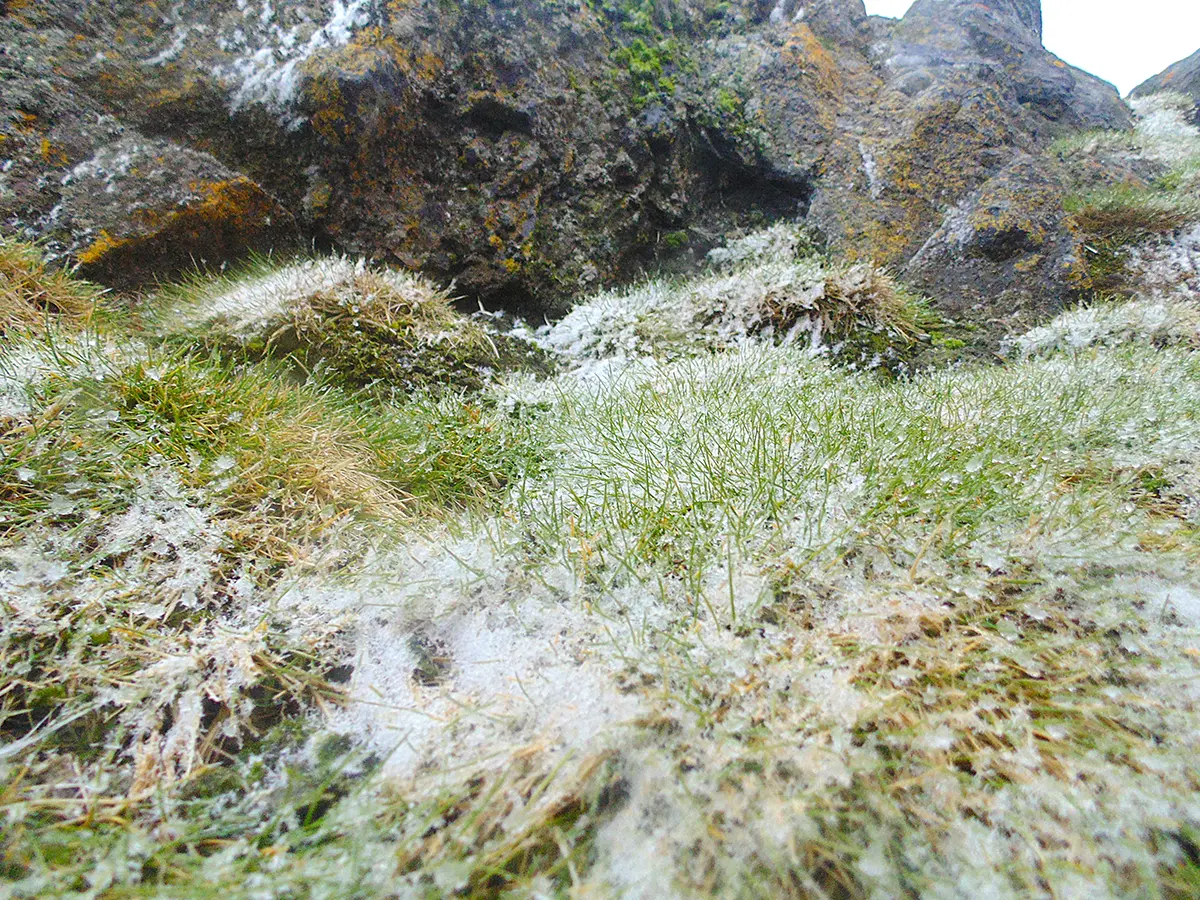
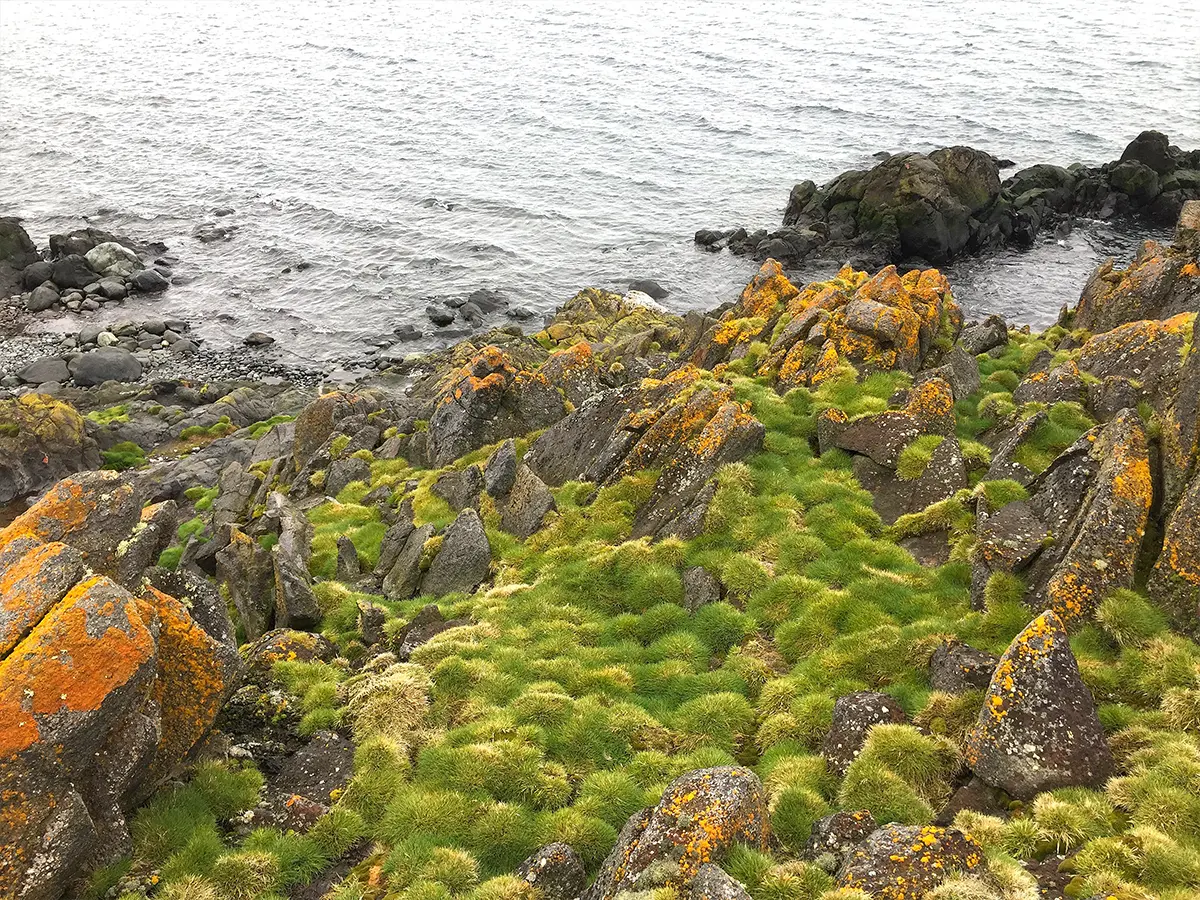
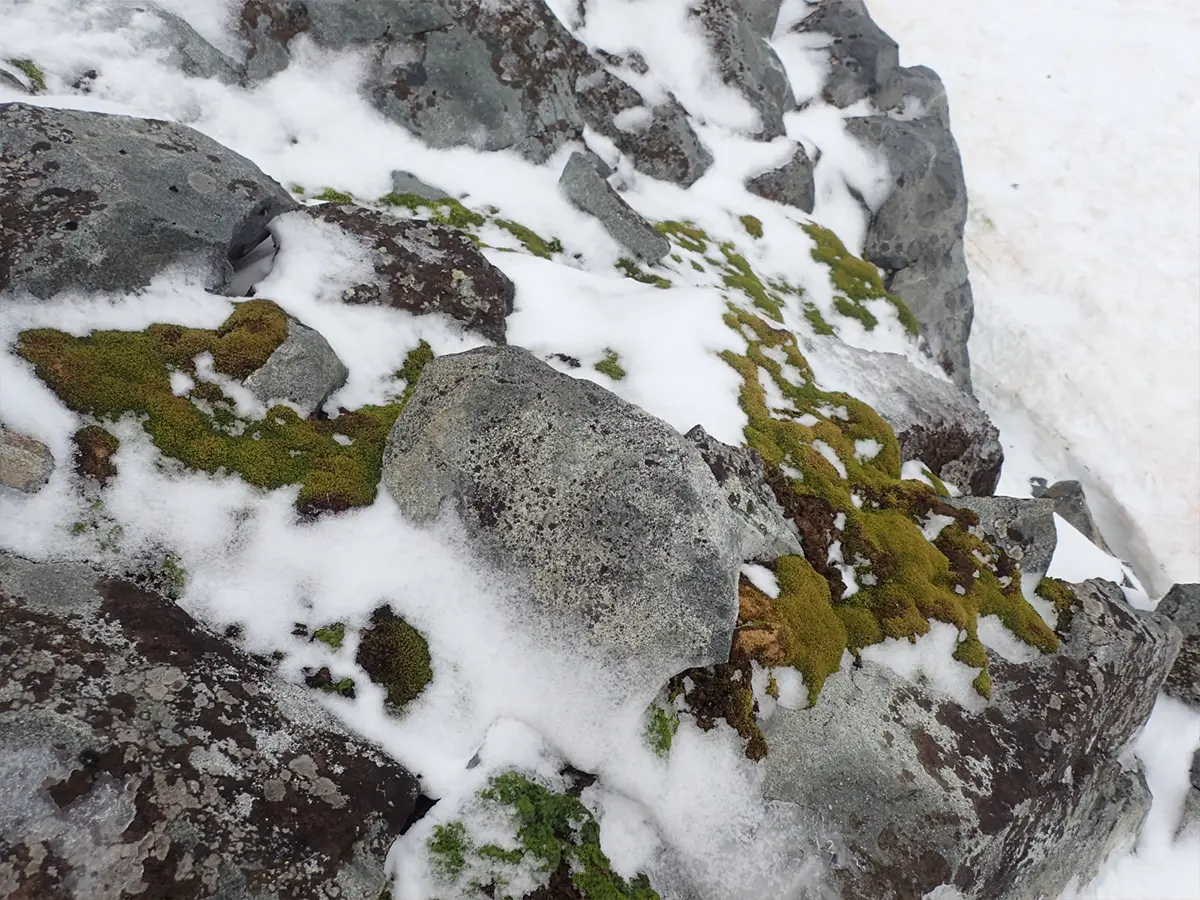
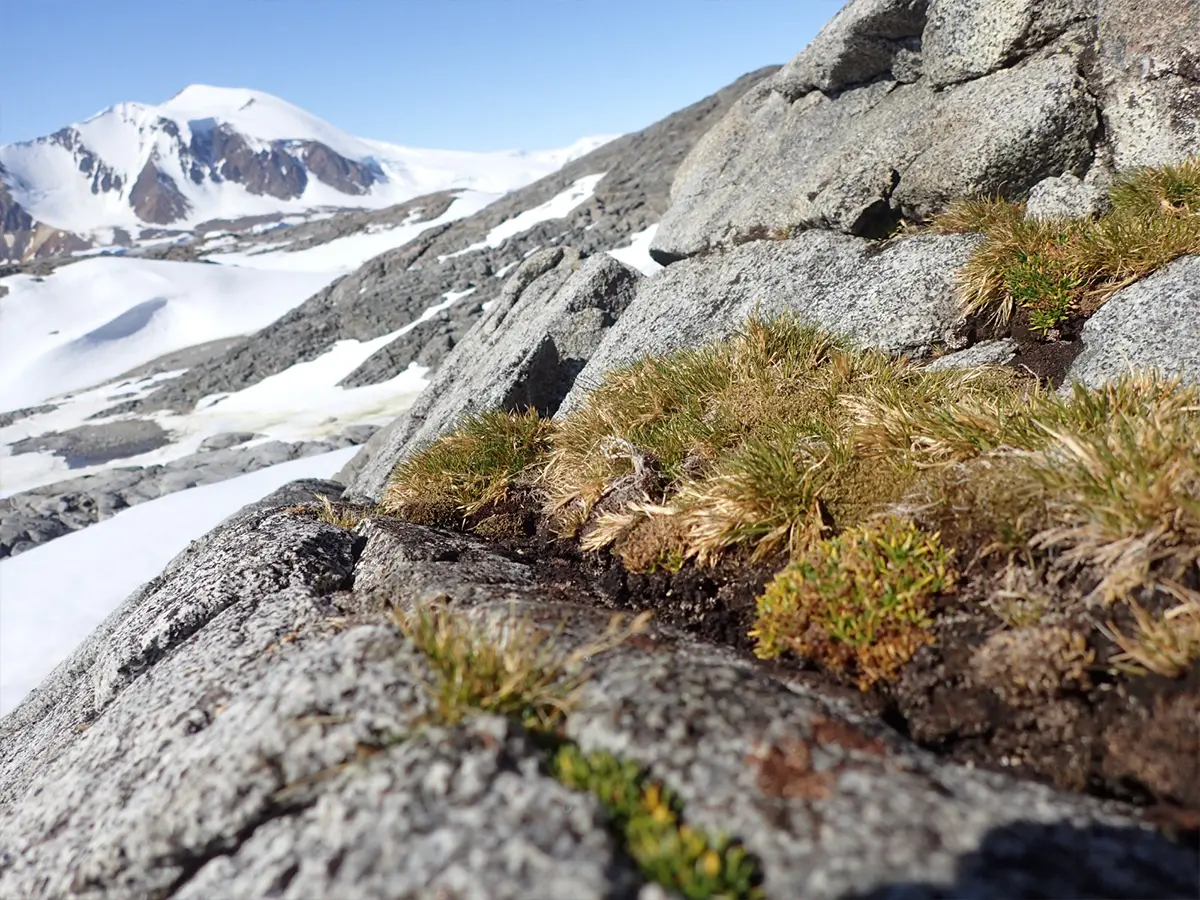
In the scarce ice-free patches of Antarctica, plant life manages to persist in extreme conditions, clinging to exposed rock and soil.
These communities, dominated by mosses, lichens, and only two species of vascular plants, make up the southernmost terrestrial ecosystems on the planet.
Despite their apparent simplicity, they are highly specialized and extraordinarily fragile systems, increasingly threatened today by climate change and human activity.
Understanding and anticipating these risks is at the core of the PRISMA project, which seeks to assess the invasion potential of non-native species and their implications for the conservation of these unique ecosystems.
Recent news

Chile reaches record of Antarctic scientific publications in 2025
The Chilean Antarctic Institute (INACH) recently published the list of scientific articles about Antarctica for the year 2025 obtained from the
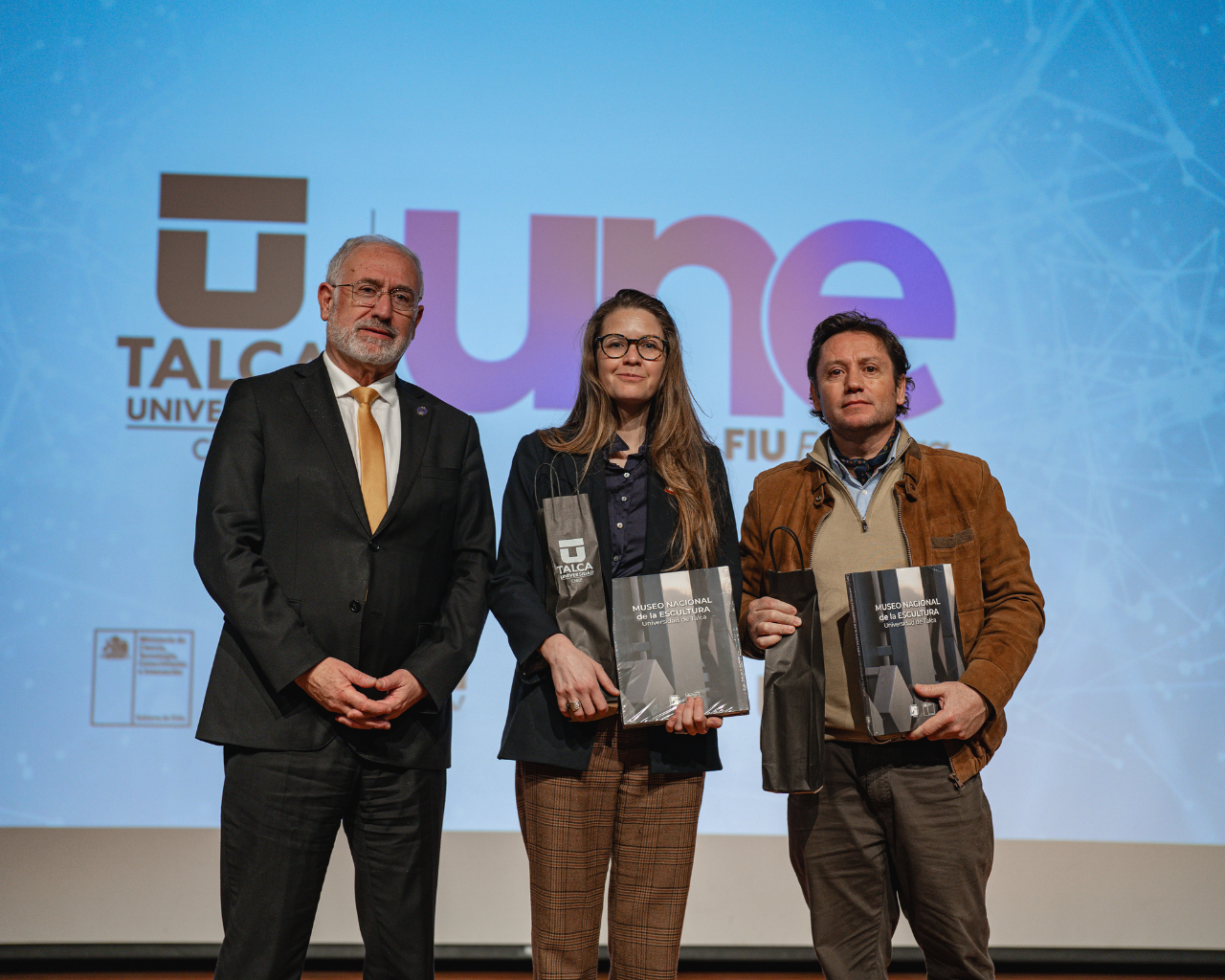
UTalca presents UNE, its new label for doing science from the territory.
The University of Talca presented UNE, the new seal with which it will project the FIU Frontera awarded at the end of 2025.

From the Maule to Antarctica: PRISMA scientific project launched
An ANID-funded Research Ring evaluates the threat of invasive plant species on the white continent using a cutting-edge biological, social, and technological approach.