- Academia, the public and private sectors exchanged ideas to connect the research of the University of Talca with the needs of the territory.
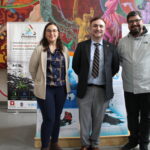
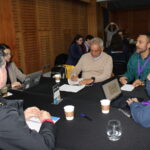
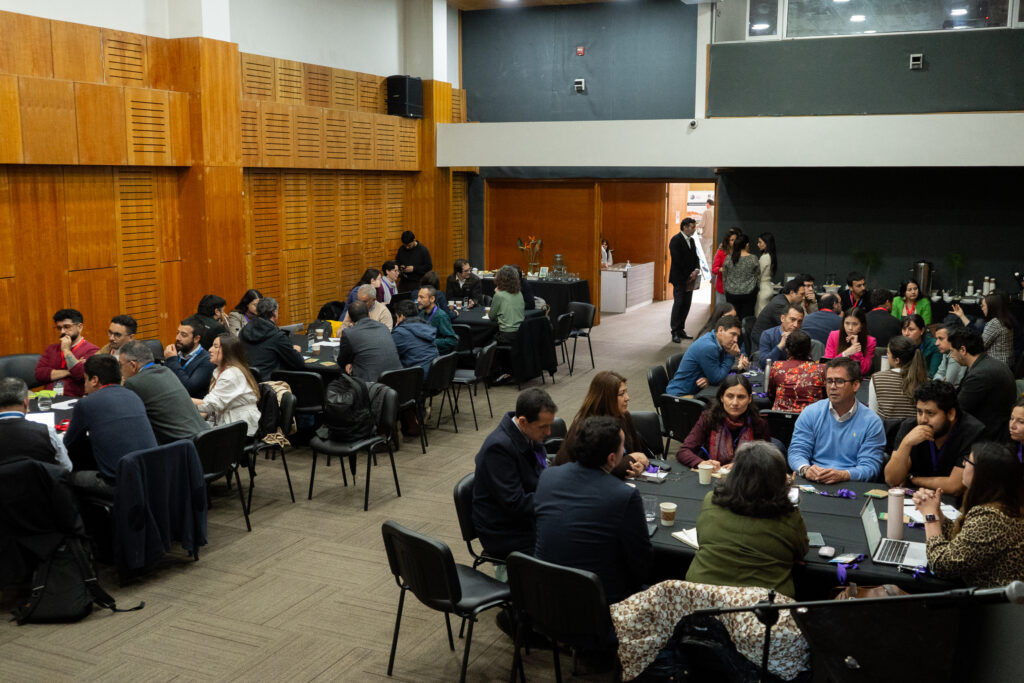
The first transectorial meeting of the UNE initiative project funded by the National Agency for Research and Development of Chile (ANID) and which has the support of Regional Government of Maule It brought together about 70 representatives from academia and the public and private sectors, with the aim of connecting the research, development, and innovation capabilities of the University of Talca with the needs and opportunities of the territory.
“The UNE project is defined as a paradigm shift, a change in the governance of research to take it out of the margins of the institution. The six macro-projects have to do in particular with health issues, climate change and agriculture, education and inclusion issues as well as energy efficiency” indicated the alternate director of the UNE project and Research Director from the UTalca, Dr. Héctor Quinteros Lama.
The day focused on identifying collaborative and prioritized initiatives for each of the six macroproject lines: Studies of Mediterranean Territories, Healthy Aging, Energy Transition and Sustainable Construction, Agrofuturo Centro Sur, Educational Innovation, Precision Medicine and Data in Territorial Health.
This work, recorded in the MIRO collaborative boards, enabled progress in the development of roadmaps with tentative solutions, key actors, barriers, and concrete first steps for their implementation.
The results of the tables will be systematized by the UNE Project team to form a portfolio of potential initiatives, which may include projects, pilots, theses, technological services, technical assistance, or studies.
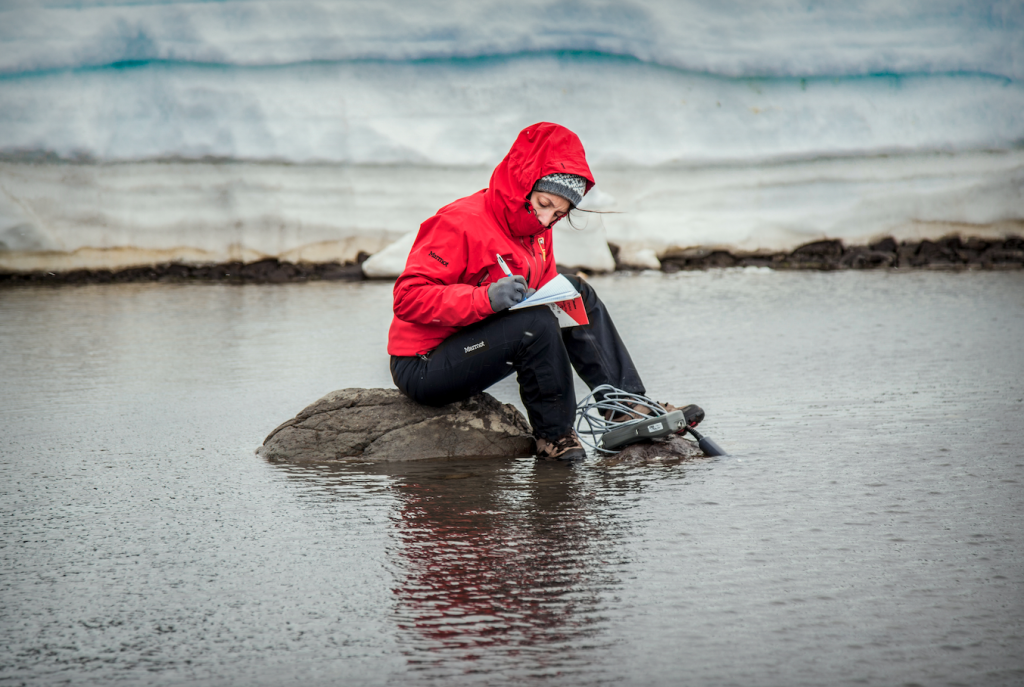
Antarctic science dissemination
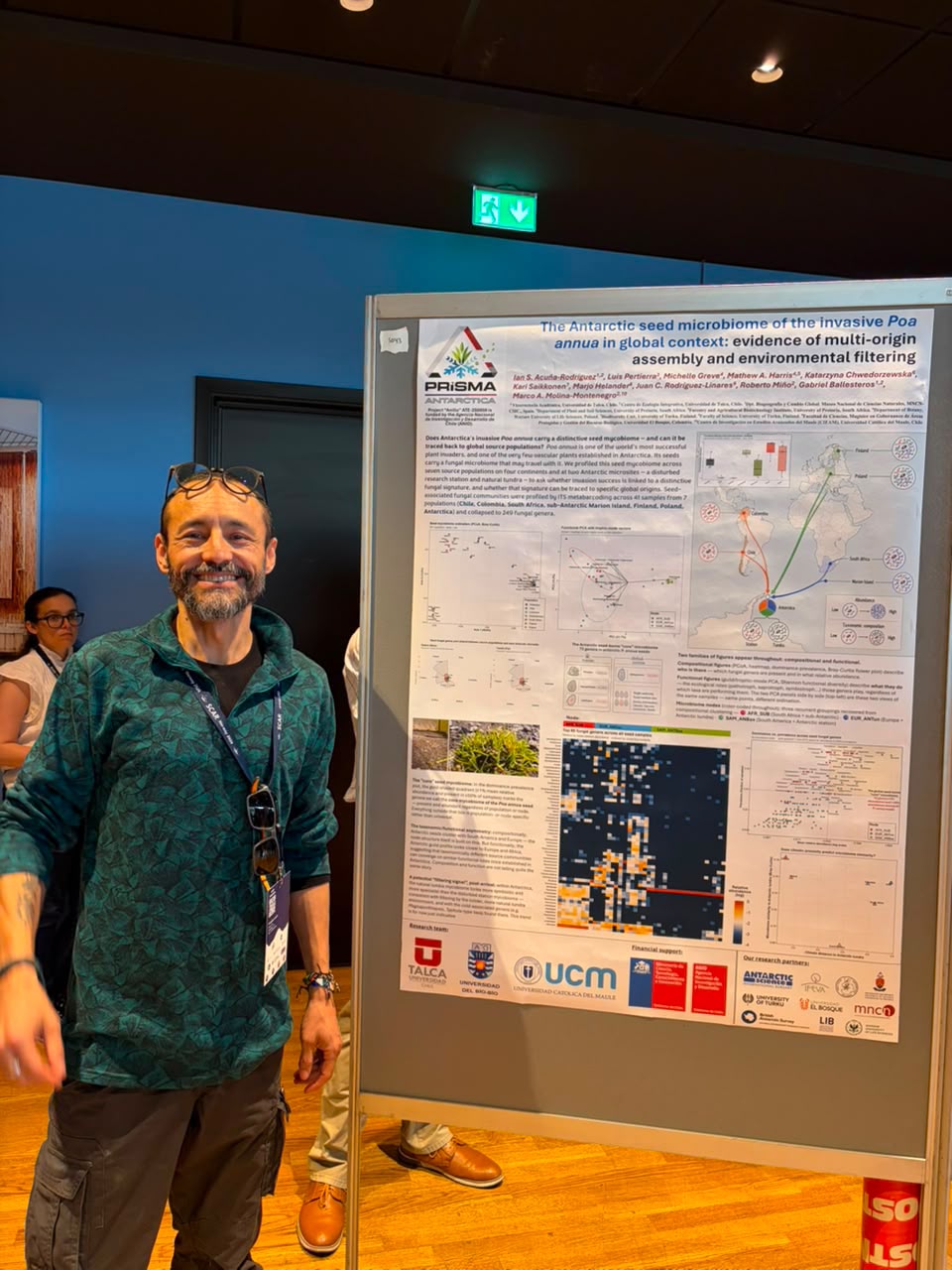
The director of the PRISMA Antarctic Research Ring, funded by ANID, Dr. Ian S. Acuña-Rodríguez, He participated in the table of the macroproject Studies of Mediterranean Territories, which addresses the areas of resilience and climate change, + Smartagro and the simulation of complex systems.
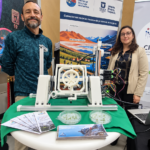
“Together with Center for Integrative Ecology (CEI-ICB UTalca) we use extreme ecosystems as a source of nature-based solutions for the ecological problems of our region. That is why we shared our work in a scientific outreach booth that was visited by the Governor of the Maule Region, Pedro Pablo Álvarez-Salamanca Ramírez. We also spoke with the media about the research we lead and the importance of bringing science closer to the community,” explained Acuña-Rodríguez.
Furthermore, the scientist emphasized: “For us it is very clear that the potential of extreme ecosystems such as Antarctica or Atacama is immense, so much so that it has even been projected into space.” Dr. Marco Molina Montenegro, The alternate director of PRISMA recently studied in a Fondecyt Regular project how microorganisms from the Atacama Desert can favor the growth of crops in extraterrestrial conditions, such as those of a trip to Mars. In addition, thanks to the collaboration of Dr. Fernando Fuentes Peñailillo, In the Biosystems and Intelligent Systems Laboratory, led by Dr. Juan Carlos Martínez, we exhibited a clinostat developed by his team. This device, when rotated in three dimensions, allowed us to study how microorganisms help a newly germinated seed to know where it is ‘up’ and where it is ‘down’, a challenge in microgravity. This work by the CEI-UTalca opens new possibilities for producing food in future space missions.”.
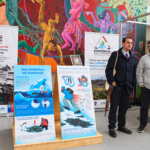
And he concluded: “Antarctica may seem distant from the reality of the present, but through that great biotechnological potential it may be closer than we think. For example, understanding how plants live in such extreme conditions can help us ‘prepare’ our crops for more hostile climates. However, the first task to bring Antarctica closer to Maule is to make it known. That is why during the event we also installed an infographic exhibition that recounts the geological history of Antarctica, its discovery and its occupation by humans, with the good and bad that this has brought.”.