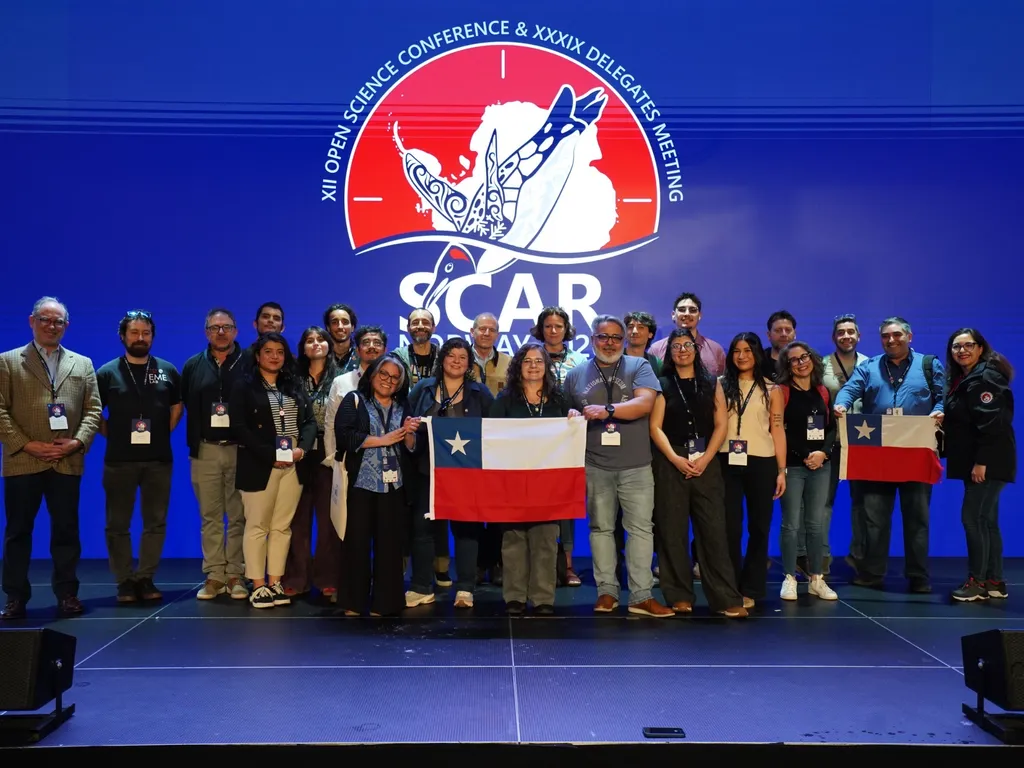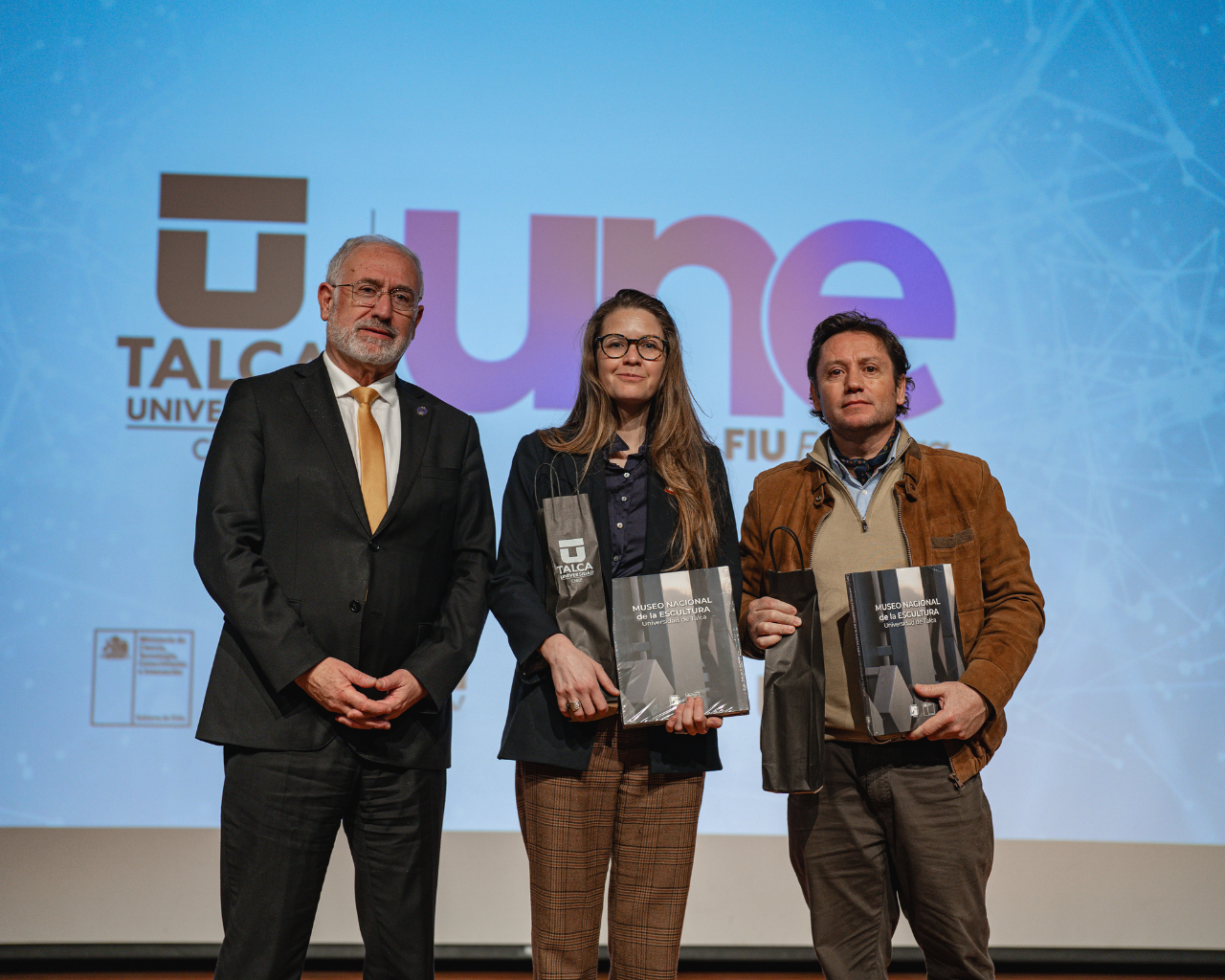
With the aim of publicizing the scope and challenges of the PRISMA project – Risk of Plant Invasion in a Changing Antarctica: A Multidisciplinary Approach, the launch of this important initiative took place, funded by the Ministry of Science, Technology, Knowledge and Innovation, through the Research Rings competition National Agency of Research and Development, ANID.
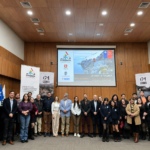
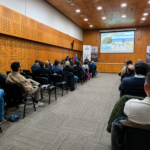
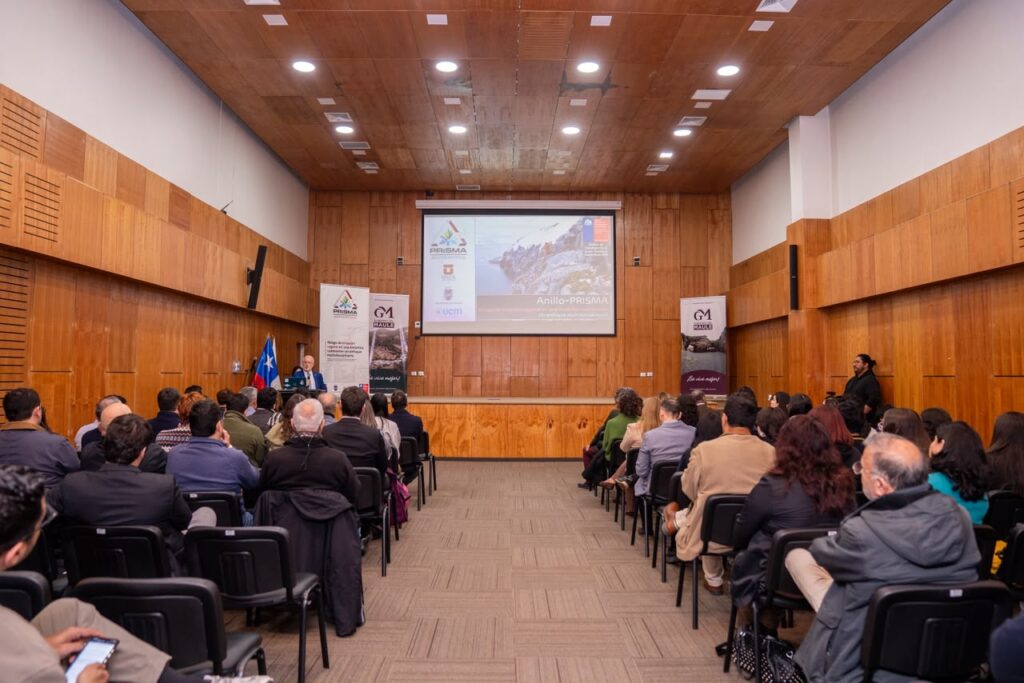
The activity open to the community and carried out with the support of Regional Government of Maule (GORE) gathered nearly a hundred representatives from the public, academic, scientific, and school sectors in the auditorium of the institutional building, located right in Talca's Plaza de Armas.
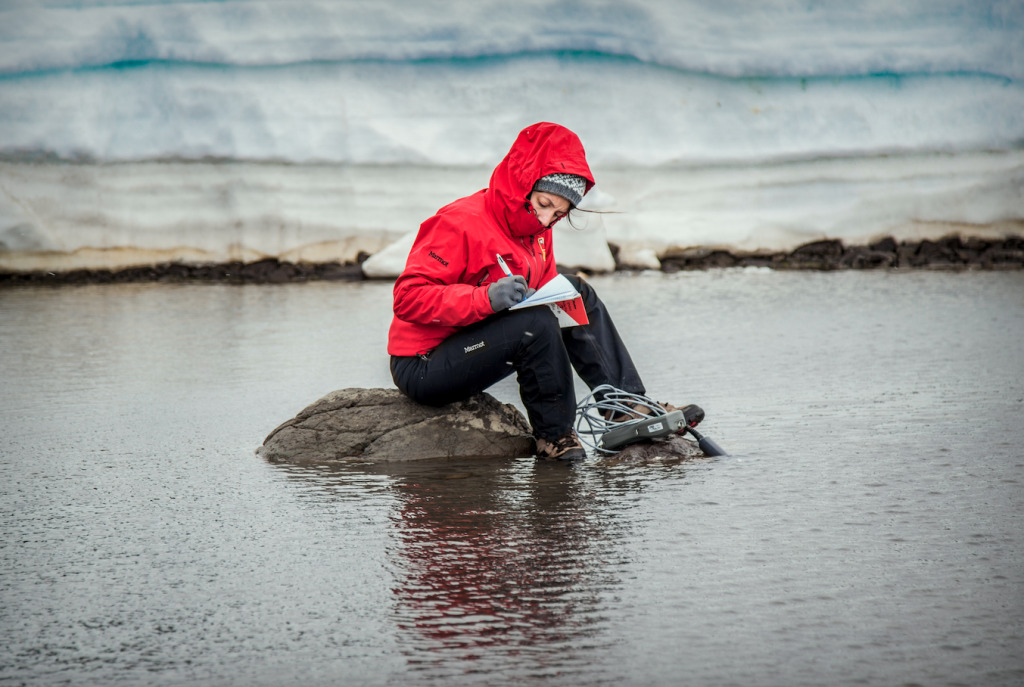
For three years, the project led by the University of Talca next to the University of Bío-Bío and the Catholic University of Maule It will seek to anticipate the arrival of invasive plant species to the white continent through an interdisciplinary approach that integrates biology, ecology, genetics, social sciences, econometrics, and advanced modeling.
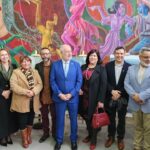
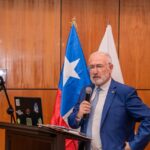
The Regional Governor of Maule, Pedro Pablo Álvarez-Salamanca, commented, “We know that climate change forces us to be prepared and to generate knowledge that allows us to better face its effects. In that sense, we deeply value the work the university is doing and the contribution researchers and scientists are making in seeking innovative solutions to the challenges we face.”.
In addition, the rector of the University of Talca, Arcadio Cerda Urrutia, stated that the development of this type of research allows for the generation of new knowledge with an impact beyond the scientific sphere, also contributing to territories and their communities. “This project reflects the public role of the University of Talca and its contribution from research to challenges of global scope, such as climate change and biodiversity protection. Generating knowledge about Antarctica also allows us to better understand the processes affecting our ecosystems and project relevant learning for the development of the regions,” he highlighted.
The day allowed us to look at Antarctica with new eyes: beyond its remoteness, as a territory of profound value for humanity, dedicated to peace, science, international cooperation, and understanding between disciplines, institutions, and territories.
The event program included presentations aimed at contextualizing the main scientific and strategic challenges addressed by PRISMA. Dr. Marcelo Leppe Cartes, a full professor at the Center for Genomics, Ecology, and Environment (GEMA) at Universidad Mayor and former director of the Chilean Antarctic Institute (INACH), spoke about “The Strategic Importance of Antarctica for Chile.” Likewise, Dr. Aníbal Pauchard Cortés, a full professor at the Faculty of Forest Sciences at the University of Concepción, founder and director of the Laboratory of Biological Invasions (LIB), delved into the role of plants as invasive species, providing key background information to understand the ecological risks associated with the arrival of new species to the white continent.
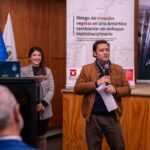
During his presentation, the director of the Prisma project, Dr. Ian Acuña Rodríguez, emphasized that the research results should transcend the academic sphere. From his lines of work related to plant-microorganism interaction, landscape ecology, ecological modeling, biological invasions, and conservation, the researcher explained how PRISMA seeks to bring Antarctica closer to Maule through interdisciplinary knowledge and institutional collaboration.
“Through PRISMA, we aim to establish the risk of invasion from the most dangerous plant species in Antarctica, with the purpose of generating guidelines, protocols, and management tools that allow us to anticipate and control this problem. Antarctica is a territory of international importance, and this project also seeks to contribute to Chile's standing in that arena, providing scientific knowledge for the protection of fragile ecosystems of great value to humanity,” he concluded.
Excellence team
The scientific initiative has an excellent team with Dr. Marco Molina Montenegro, leader of the Center for Integrative Ecology at the University of Talca, serving as alternate director. The principal investigators are Dr. Leidy García Pérez, also from the University of Talca, along with Dr. Cristian Torres Díaz from the University of Bío-Bío. The group is rounded out by Dr. Gabriel Ballesteros Teuber from UTalca and Stella Moisan from the Catholic University of Maule as associate researchers.
The project also has a solid international team of scientific collaboration. Participants include Dr. Pedro Emilio Gundel from the University of Buenos Aires, specializing in agricultural sciences; Dr. Michelle Greve (University of Pretoria, South Africa), an expert in ecological modeling and plant biogeography; Dr. Kevin A. Hughes and Dr. Kevin Newsham (British Antarctic Survey, United Kingdom), world leaders in Antarctic biosecurity, microbial ecology, and climate change; Dr. Katarzyna Chwedorzewska (Polish Academy of Sciences, Poland), a pioneer in research on plant invasions in Antarctica; and Dr. Kari Saikkonen (Natural Resources Institute Finland, Finland), a specialist in plant-microorganism symbiosis and evolutionary ecology. This group provides a strategic international network that strengthens the global dimension of the project and enhances its scientific impact.
By: Patricia Peñaloza Aros