Agriculture in contexts of water scarcity and Antarctic science are the fields that the two Ring Projects in Specific Thematic Areas will address at the National Agency for Research and Development (ANID), which was awarded the University of Talca.
Nationwide, a total of 25 initiatives were awarded, among which UTalca is in the second group with the most projects nationally.
Research
“Fruit trees and grapevines under abiotic stress: physiological, transcriptomic, and metabolomic characterization to propose mitigation and adaptation strategies in the context of climate change,” is the name of the project that will be led by Professor César Antonio Acevedo Opazo of the Faculty of Agricultural Sciences, along with a team that also includes Fernando Guerra, Laurens Klerkx, Yerko Moreno, and Francisco Zamudio.
This research proposes the exogenous use of anti-stress biological substances as physiological activation alternatives in fruit trees and vines, serving as a natural defense strategy that would allow plants to better tolerate abiotic stress conditions while maintaining high metabolic activity.
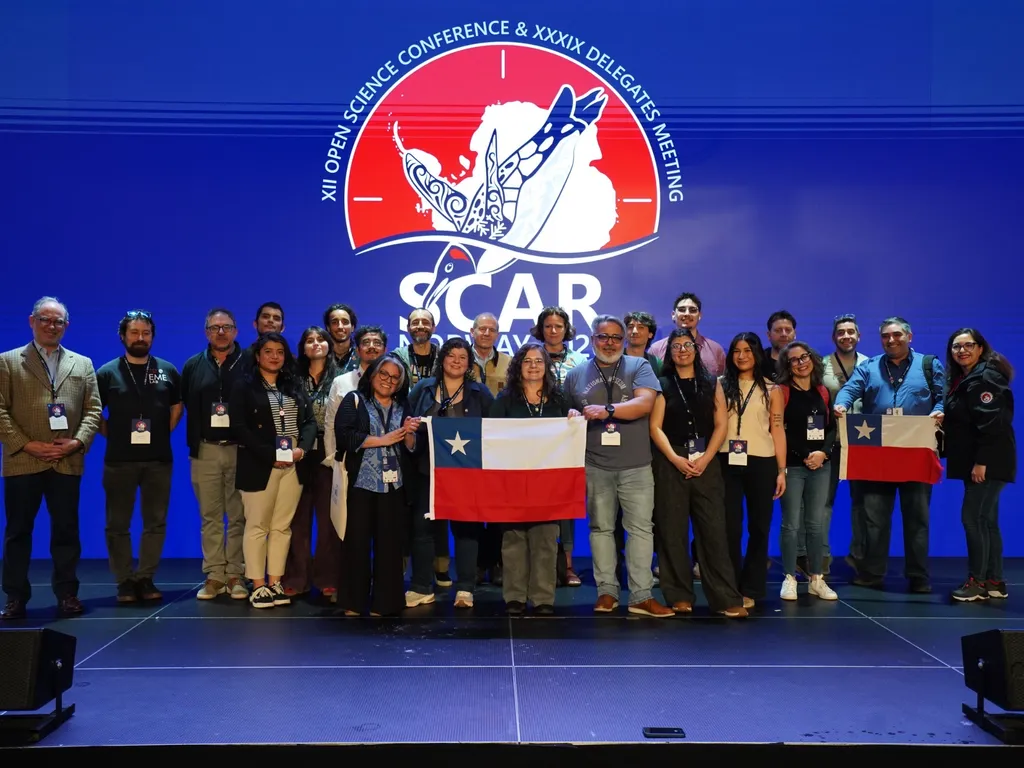
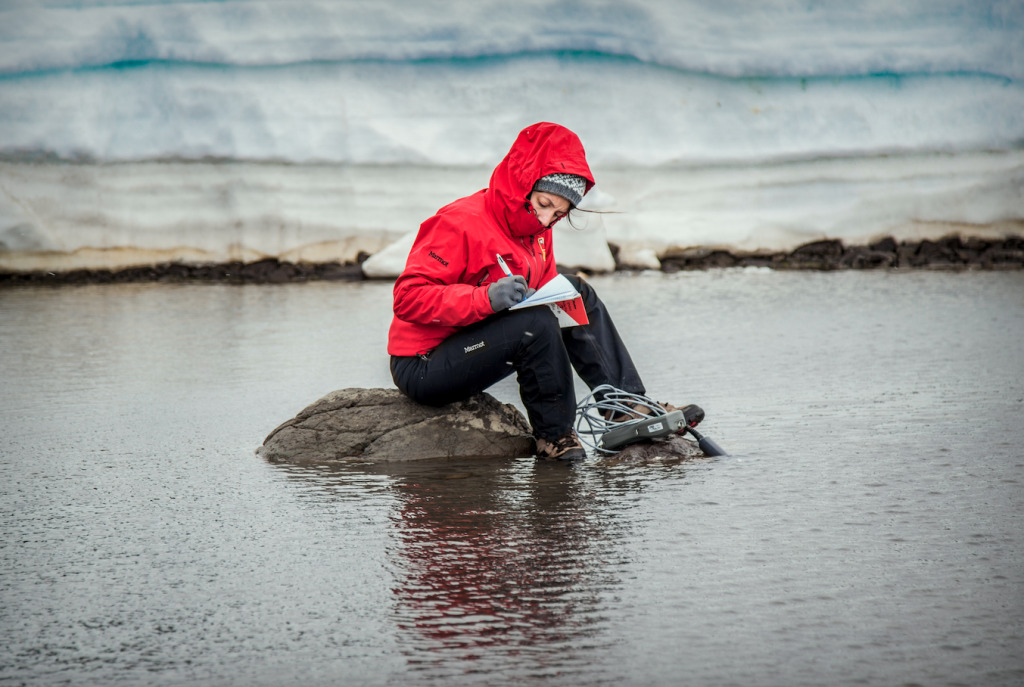
Meanwhile, titled “Prism-risk of plant invasion in a changing Antarctica: a multidisciplinary assessment approach,” the second project will be executed by Ian Acuña Rodríguez, from the Researcher Program of the Directorate of Research of the Academic Vice-Rector's Office, along with a team composed of Marco Molina Montenegro, Pedro Gundel, Leidy García Pérez, and Gabriel Ballesteros, also from UTalca, along with Cristian Torres Díaz, from the U. del Bio-Bio.
The study will address the growing threat of plant invasions in Antarctica, driven by climate change and the intensification of human activities – conditions that are weakening the natural barriers protecting one of the planet's most pristine ecosystems.
Additionally, other UTalca academics will participate as principal investigators in Anillo projects awarded by two other institutions.
Professors Carlos Figueroa Lamas, from the Institute of Biological Sciences, and Ricardo Cabeza Pérez, from the Faculty of Agricultural Sciences, will work on the research project “Holobiont Biotechnology for Sustainable Agriculture in the Face of Water Scarcity (Holodrone),” which will be carried out by the Center for Advanced Fruit Growing Studies (CEAF).
Meanwhile, academic Eduardo Castro Nallar, from the Faculty of Health Sciences, will join the team that will study the “Recirculation of emerging organic pollutants driven by meltwater and its trophic effects in Antarctic coastal ecosystems (ICE-trophic),” which will be carried out by Universidad Mayor.
Collaborative research
It should be noted that the objective of the Anillo projects is to promote the scientific and/or technological development of the country, through the financing of research and development projects based on collaborative, broad, and multidisciplinary work.
To achieve this, through these types of projects, ANID promotes the formation of scientific and/or technological research groups that work under the umbrella of national research institutions. These institutions can apply individually or in association, with the aim of strengthening both knowledge generation and the development of science and technology, as well as the training of human capital within them.
Source: University of Talca