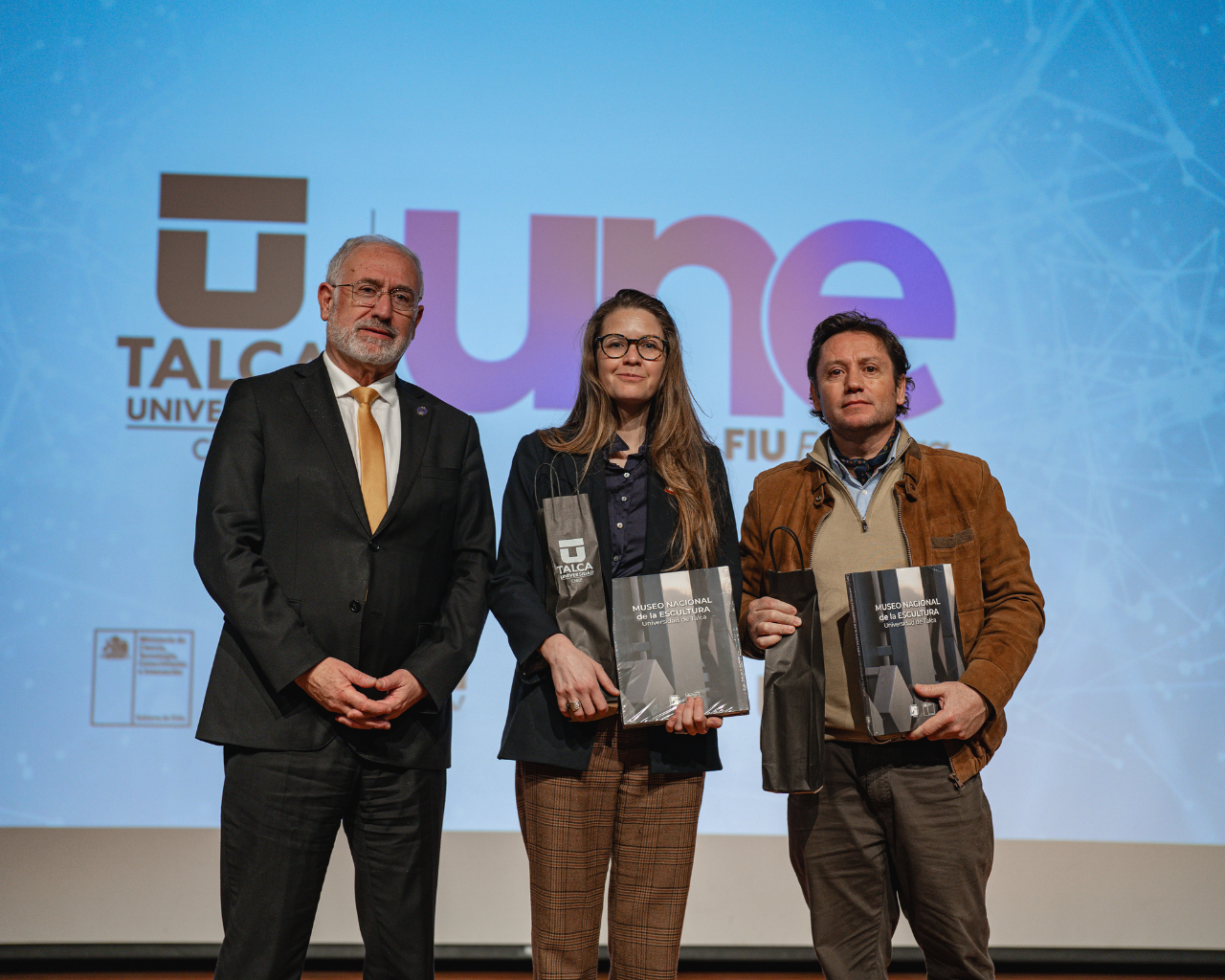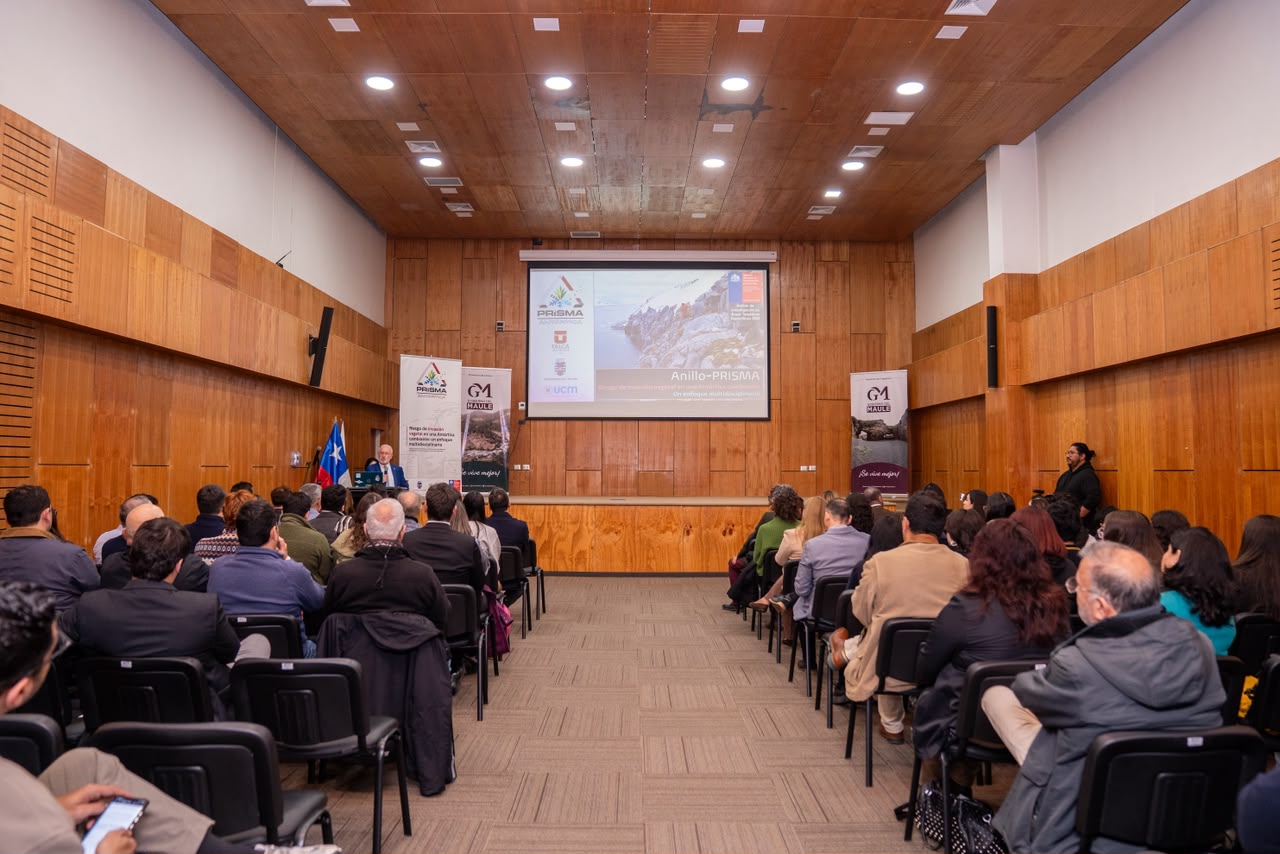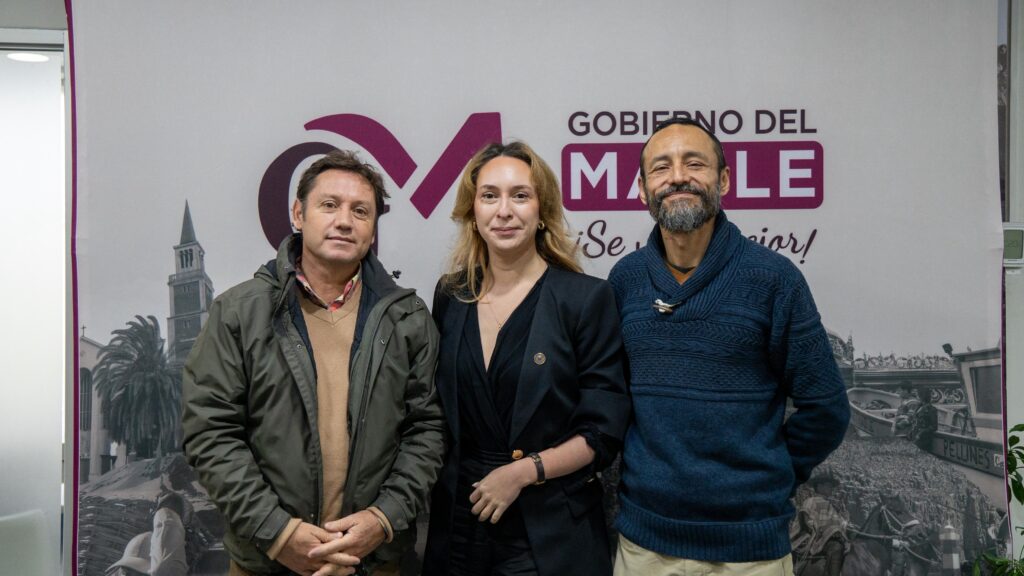
With the aim of publicizing the scientific, territorial, and strategic scope of the Research Ring project “Risk of plant invasion in a changing Antarctica” —PRISMA—, its executive team held socialization hearings with the Governor of the Maule Region, Pedro Pablo Álvarez-Salamanca Ramírez, and with the Regional Secretary of Science, Technology, Knowledge, and Innovation, Macarena San Martín Freire.
The initiative executed since the Center for Integrative Ecology from the University of Talca will be developed over three years with funding from the National Agency of Research and Development, The national team is comprised of academics from UTalca, the Catholic University of Maule, and Bío-Bío, along with an international collaboration network of specialists from South Africa, the United Kingdom, Poland, Spain, and Finland.
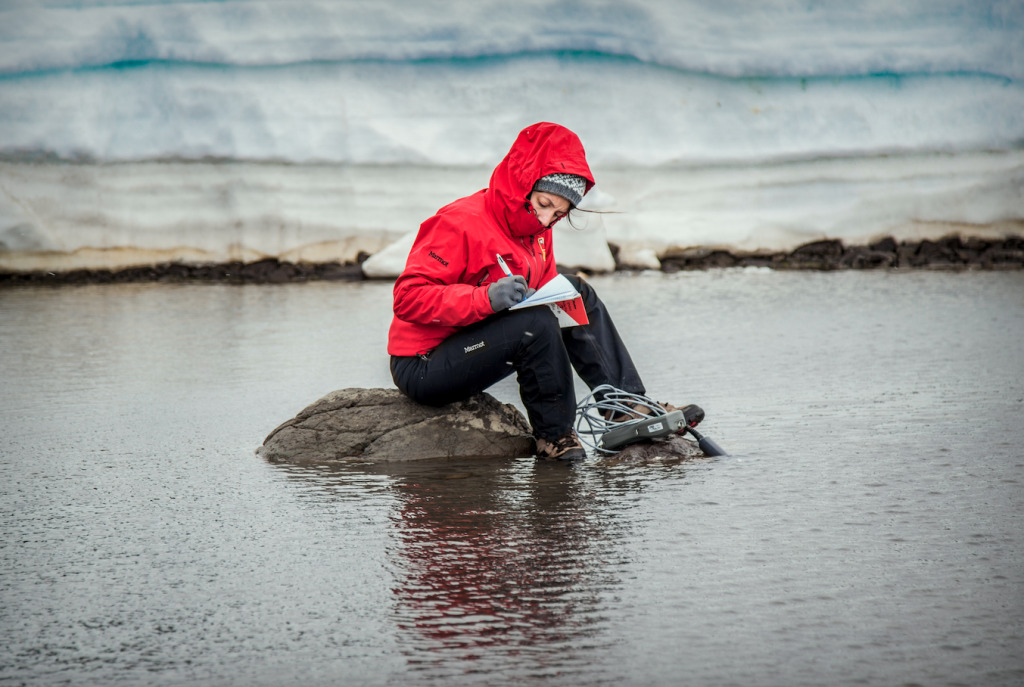
Your work focuses on assessing the risk of biological invasions in Antarctica, particularly of plant species, in a scenario marked by climate change, glacial retreat, and an increase in ice-free areas.
The project director, Ian Acuña Rodríguez, a researcher from the University of Talca, highlighted that “PRISMA addresses a complex problem, where biological, social, and regulatory factors converge. Based on the knowledge generated during its development, we expect to build spatial risk models and technical guidelines that will contribute to decision-making, as well as the prevention and early detection of exotic plants in Antarctic operations.”.
Audiences
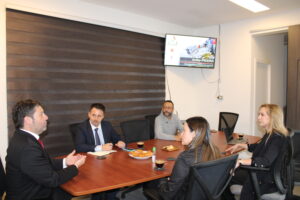 During the meetings, the team presented the main components of the project, which combines experimental research, spatial modeling, socio-ecological studies, and policy analysis. The planning includes trials in growth chambers that replicate the environmental conditions of the white continent, using actual Antarctic soils to study plant species recognized as globally invasive.
The PRISMA project also considers the collection of information related to human pressure on Antarctica, including logistical routes, the presence of tourists, scientific personnel, and operators, in order to provide evidence for the design of risk maps, biosecurity protocols, and recommendations that contribute to the protection of this strategic ecosystem.
In addition to its scientific dimension, PRISMA includes the educational program “Maule-South Pole Connection,” which aims to bring Antarctic research closer to rural school communities, creating opportunities for connection between students and researchers working in the field in Antarctica.
The Regional Secretary of Science, Technology, Knowledge and Innovation, Macarena San Martín Freire, commented, “PRISMA has a positive impact on the student communities of Maule and O'Higgins. We need to promote research that brings science closer to the territory, that contributes to people's quality of life, and that allows us to project new opportunities for students, agricultural producers, and municipalities. From the Regional Secretariat, we see this project as an opportunity for joint work between academia, researchers, and communities.”.
Socializing with regional authorities allowed us to highlight the contribution that science developed in Maule can make to global environmental challenges. The research aims to generate useful knowledge for decision-making while strengthening Chile's presence in scientific and environmental governance related to the Antarctic Treaty.
By: Patricia Peñaloza Aros