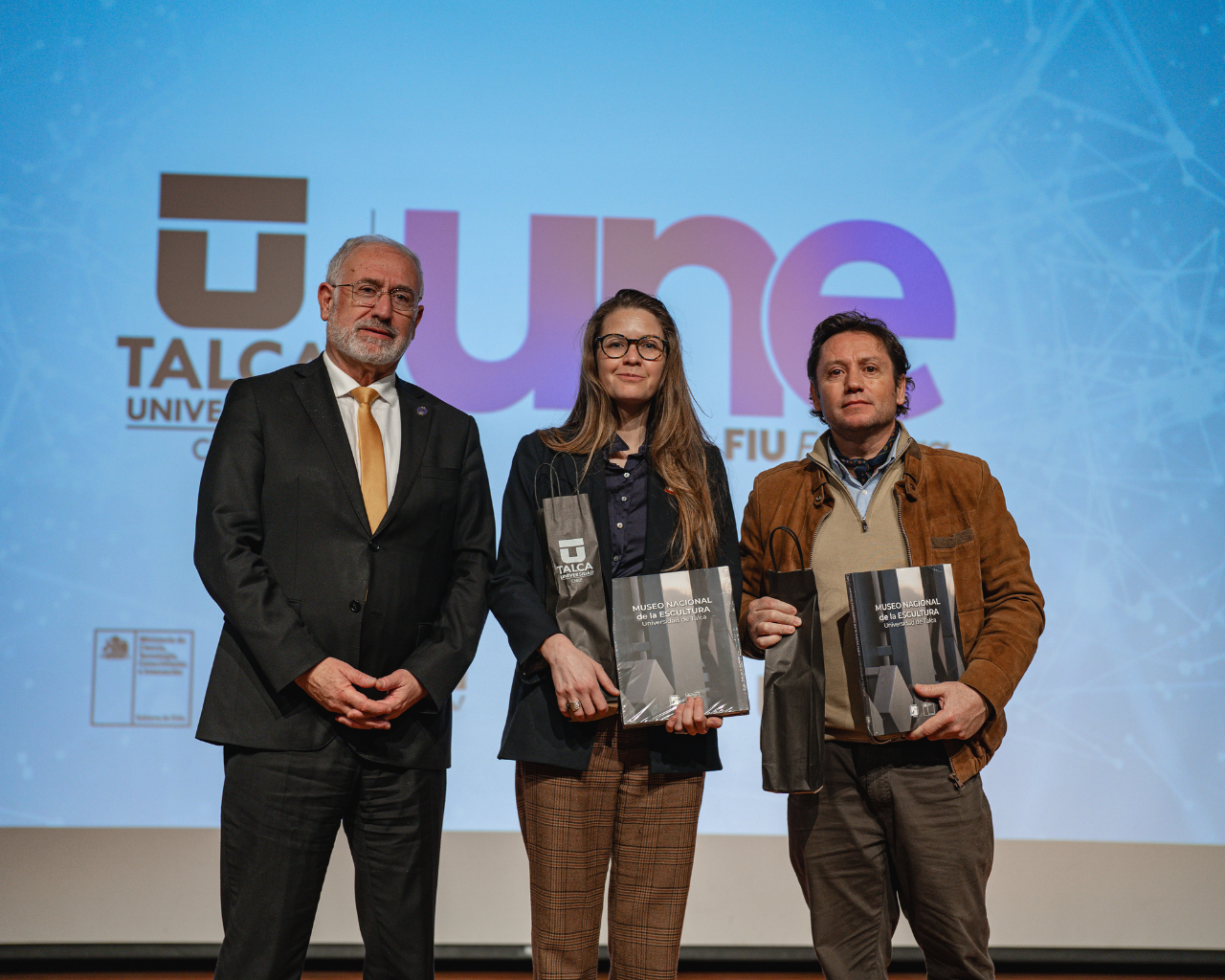
The University of Talca is bringing Antarctica closer to Maule through the PRISMA project – Risk of plant invasion in a changing Antarctica, awarded in the 2025 call of the Research Rings Competition of the National Agency for Research and Development (ANID).
The project will be carried out over 3 years with the purpose of anticipating the arrival of invasive species to the white continent through an approach that combines biology, ecology, genetics, social sciences, econometrics, and advanced modeling. PRIMA is led by Dr. Ian S. Acuña Rodríguez, a researcher from the Postdoctoral Research Program at the UTalca Research Directorate, sponsored by the Faculty of Economics and Business (FEN), which reinforces the interdisciplinary nature of the initiative.
The scientific initiative has an excellent team, with Dr. Marco Molina Montenegro from the University of Talca as deputy director; Dr. Leidy García Pérez from the University of Talca and Dr. Cristian Torres Díaz from the University of Bío-Bío as principal researchers. The group is completed by Dr. Gabriel Ballesteros Teuber from UTalca and Stella Moisan from the Catholic University of Maule as associate researchers.
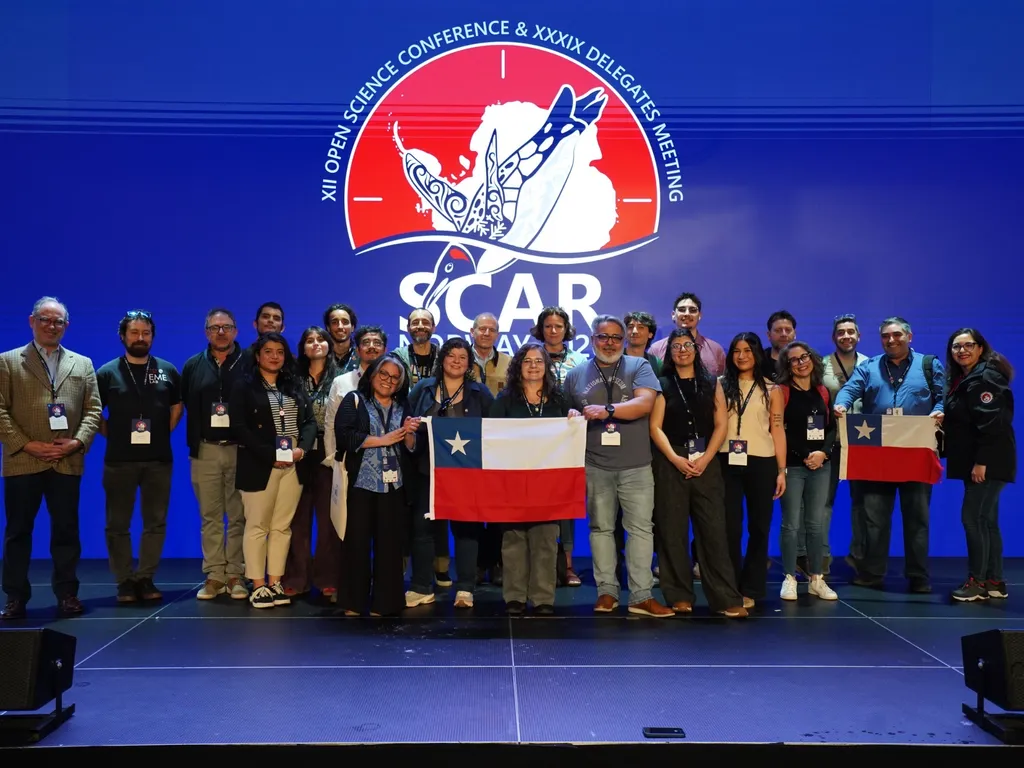
The project also boasts a strong international scientific collaboration team. Participants include Dr. Pedro Emilio Gundel from the University of Buenos Aires, Dr. Michelle Greve (University of Pretoria, South Africa), an expert in ecological modeling and plant biogeography; Dr. Kevin A. Hughes and Dr. Kevin Newsham (British Antarctic Survey, United Kingdom), world leaders in Antarctic biosecurity, microbial ecology, and climate change; Dr. Katarzyna Chwedorzewska (Polish Academy of Sciences, Poland), a pioneer in research on plant invasions in Antarctica; and Dr. Kari Saikkonen (Natural Resources Institute Finland, Finland), a specialist in plant-microorganism symbiosis and evolutionary ecology. This group provides a strategic international network that strengthens the global dimension of the project and enhances its scientific impact.
Simulate the Antarctic ecosystem
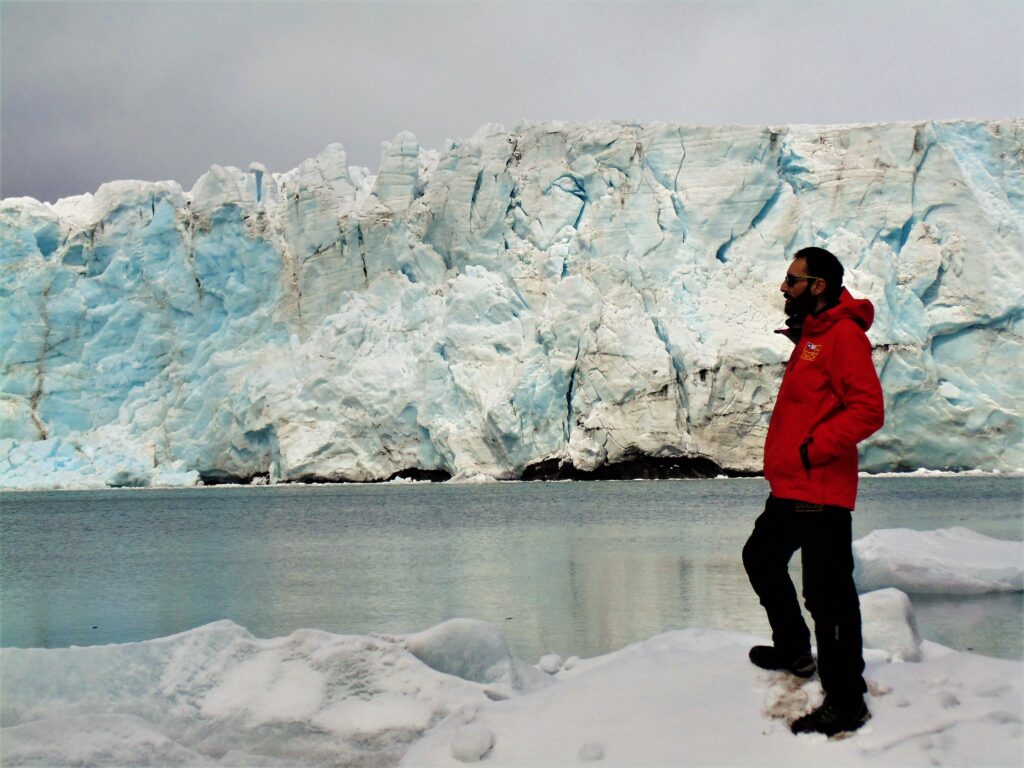
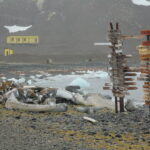
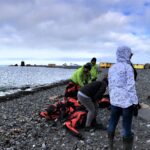
Antarctica, despite its image of vast ice fields, is one of the driest ecosystems on the planet. Most of the water is frozen and unavailable, defining the continent as a cold desert. However, glacier retreat and an increase in liquid water are creating new ice-free areas, spaces where exotic species could begin to establish themselves. Added to this is human pressure: between 100,000 and 150,000 people, including tour operators and researchers, enter each summer, who may unknowingly transport seeds or plant fragments.
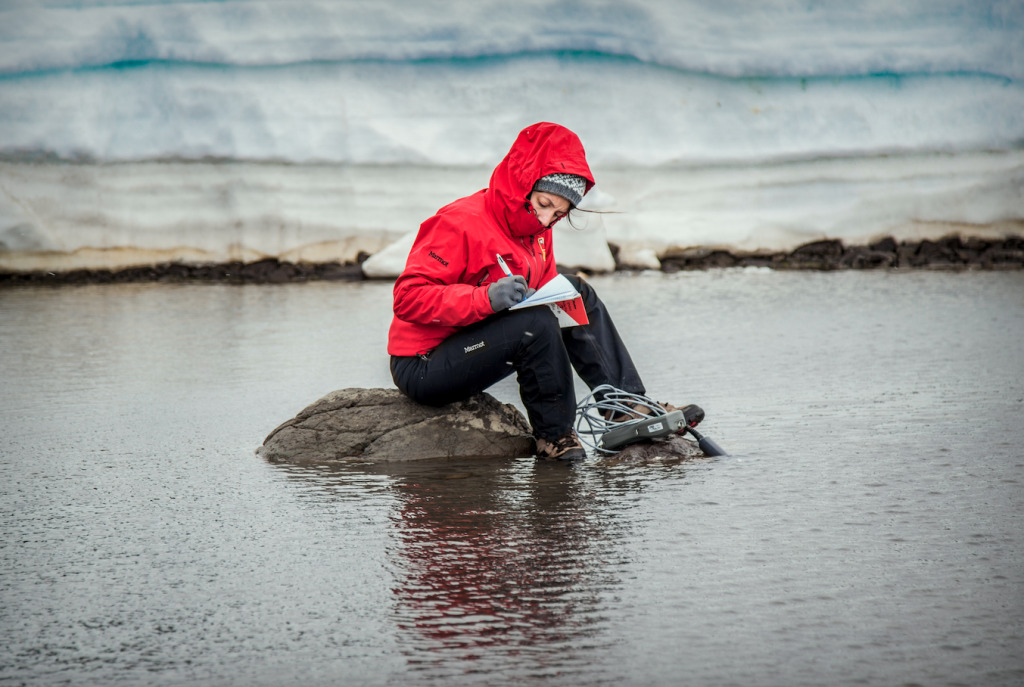
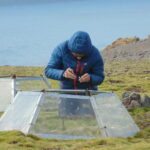
To do this, the team will work from the UTalca Center for Integrative Ecology, setting up experiments in growth chambers that replicate temperatures, light cycles, and humidity similar to those of the white continent, using real Antarctic soils obtained in the field from areas that are becoming ice-free. There they will study 10 plant species recognized as invasive worldwide, and therefore, candidates to invade Antarctica, evaluating their germination, physiological traits, genetics, microbial associations, and competitive ability against native Antarctic plants.
This information will be used to create a biological risk ranking, which will allow for the design of biosecurity protocols, as well as monitoring for scientific bases and tour operators. The socio-ecological component includes surveys of tourists, researchers, and logistical personnel to measure risk perception and the effectiveness of current biosecurity and control protocols. This background information will be incorporated into risk maps and a detailed mapping of anthropogenic pressure associated with logistical routes and areas most vulnerable to the introduction of exotic species.
The initiative also includes the educational program “Maule–South Pole Connection,” which will allow rural schools to connect with researchers working in Antarctica.
“It’s not just a biological problem. It’s also a social and normative challenge. We want the knowledge we generate to update protocols and strengthen Chile’s presence in the governance system associated with the Antarctic Treaty,” states Dr. Acuña.
With this research, the University of Talca fulfills its role as a key player in the development of strategic knowledge, tackling one of the most urgent environmental challenges of the 21st century: From the Campus, scientific evidence is being generated in favor of protecting the white continent.



By: Patricia Peñaloza Aros.